


 Location
 Login
Login
The main types of powersports vehicles are ATVs, UTVs/side-by-sides, motorcycles (street, dirt, dual-sport, and trikes), personal watercraft, snowmobiles, dune vehicles, golf carts/LSVs, and scooters/mopeds, with electric variants now available across most categories. According to Peak Credit Union’s powersports overview and PowerSportsGuide’s full taxonomy, each type is matched to a specific terrain — trails, dunes, snow, or water — and your best choice comes down to three questions: where you ride, how many passengers you carry, and whether you need the machine to work or play.
Here’s the shortest possible cheat sheet:
- ATVs — solo trail riding, light property work, dunes
- UTVs/side-by-sides — group hauling, farm/ranch work, recreation with passengers
- Street motorcycles — road commuting and touring
- Dirt bikes/dual-sport/ADV — off-road trails, motocross, or mixed road/trail use
- Personal watercraft (PWCs) — lake and ocean recreation, tow sports
- Snowmobiles — snow trails, backcountry winter travel
- Dune buggies/sand rails — beach parks and sand dunes
- Golf carts/LSVs — campus, golf course, short neighborhood trips
- Scooters/mopeds — urban errands, low-cost commuting
- Electric variants — quiet, low-maintenance versions of most categories above
Match terrain and passenger count first, then check local registration and trail rules before you buy.
Pro Tip: If you’re torn between two categories, write down your top three riding locations and look up whether each vehicle type is legally permitted there. That single step eliminates most buyer’s remorse.
Key Takeaways
The most important decision in powersports buying is matching the vehicle category to your terrain and job before comparing specs within that category.
| Point | Details |
|---|---|
| Terrain drives category | Match your primary riding surface (trail, road, sand, snow, water) to the vehicle family built for it. |
| Passengers and payload | Two or more riders or regular hauling needs point to a UTV, two-up ATV, or LSV over a solo machine. |
| Check trail rules first | Width limits, permits, and seasonal closures can eliminate a vehicle type before you test ride it. |
| Electric models need extra diligence | Battery warranty, range, and local service network matter more for electric powersports than for gas models. |
| Importjunkies product range | Importjunkies carries ATVs, UTVs, golf carts, and electric utility vehicles at direct wholesale pricing. |
Table of Contents
- What are the main types of powersports vehicles?
- UTVs and side-by-sides: when does a UTV beat an ATV?
- Motorcycles, dirt bikes, dual-sport, and trikes: which rider does each serve?
- Personal watercraft: what you need to know before buying a PWC
- Snowmobiles: terrain, permits, and seasonal ownership
- Dune buggies, sand rails, and sand-specific ATVs
- Golf carts and neighborhood utility vehicles: when low-speed is the right call
- Scooters and mopeds: practical urban powersports
- Electric powersports: what’s changed and what buyers should check
- How do you choose the right powersports vehicle?
- Safety, insurance, and U.S. legal basics for powersports buyers
- Environmental and noise regulations by state
- Resale value considerations
- What the vehicle categories actually tell you about buying
- Importjunkies carries the vehicle families covered in this guide
- Sources
What are the main types of powersports vehicles?
ATVs are defined by a straddled seat and handlebars — that’s the ANSI-recognized design standard — and engine sizes in the U.S. market have historically ranged from roughly 49 cc to 1,000 cc. That wide range explains why ATVs split into six distinct subtypes, each built for a different job.
According to ATV Streets’ complete subtype guide, the six categories break down like this:
- Sport ATVs — tuned for speed and handling, lighter chassis, minimal cargo capacity; best for motocross-style trails and competitive riding
- Utility ATVs — prioritize low-end torque, cargo racks, and towing; most come with selectable 4WD and are the go-to for farm, ranch, and property work
- Youth ATVs — smaller frames, lower power output, and speed limiters; designed for riders under 16 with adult supervision
- Recreation ATVs — a balanced middle ground between sport and utility; good for trail riding without the work-horse payload requirements
- Two-up ATVs — extended seats and footpegs for a passenger; useful when you want company on the trail without stepping up to a full UTV
- Electric ATVs — quiet, low-maintenance, and increasingly capable; range and charging infrastructure are still the main limitations
For a deeper look at ATV features and how the subtypes compare, Importjunkies’ ATV guide covers the specs worth checking before you buy. If you’re deciding between an ATV and a dirt bike specifically, the ATV vs. dirt bike comparison is worth reading first.
UTVs and side-by-sides: when does a UTV beat an ATV?
The clearest difference between a UTV and an ATV isn’t size — it’s the operator interface. UTVs use a steering wheel, foot pedals, and a roll cage, which Oregon’s ATV classification guidance identifies as a key legal and functional distinction that can affect trail access and registration in many states. That automotive-style setup makes UTVs more comfortable for longer rides and easier for passengers who aren’t experienced powersports riders.
UTVs split into two broad camps:
- Work UTVs — dump beds, towing capacity, and utility attachments; built for farms, ranches, and large properties
- Recreation/performance side-by-sides — sport-tuned suspension, higher ground clearance, and more aggressive power delivery for trail and dune riding
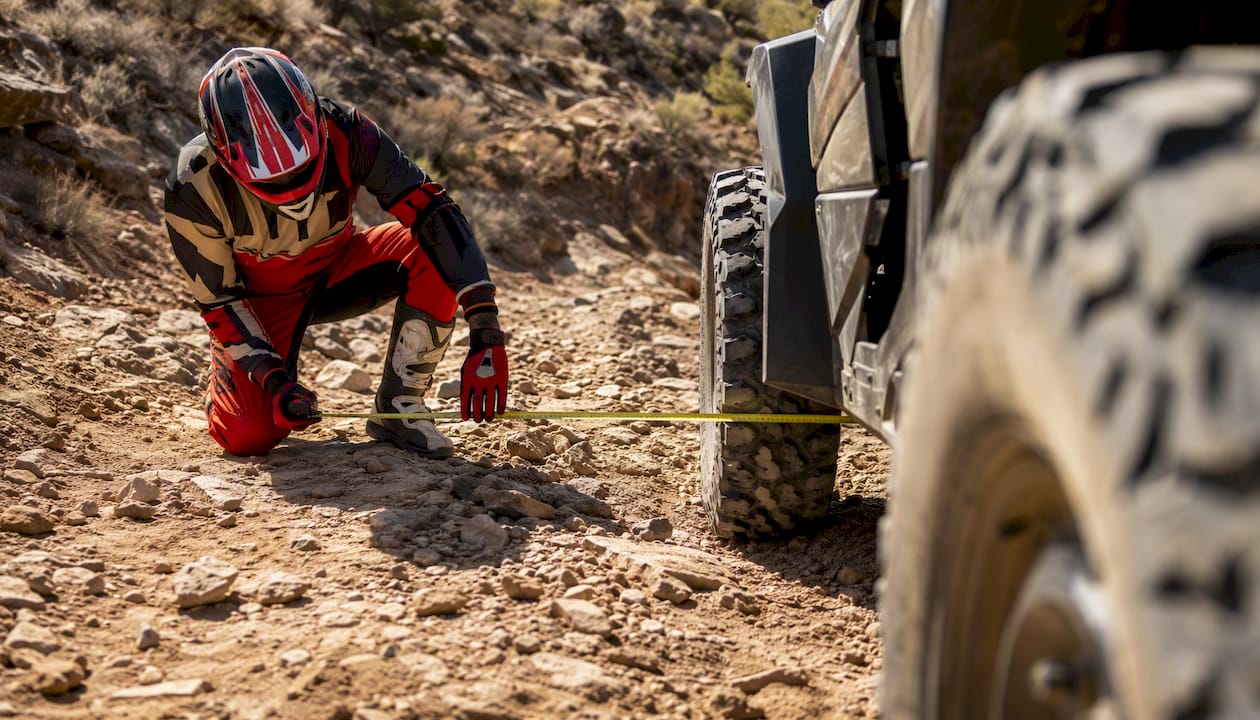
The tradeoff is width. Some performance side-by-sides may be wider than certain trail width limits, and many managed trail systems post explicit width limits. A UTV that’s perfect on private land may be restricted on public trails.
Pro Tip: Before you buy any UTV, look up the trail-width limits for the specific parks or forest roads you plan to ride. Some trails cap vehicles at 50 inches; others allow 65 inches. Buying first and checking later is an expensive mistake.
For a full breakdown of UTV features and buying considerations, Importjunkies’ UTV guide is a practical next step.
Motorcycles, dirt bikes, dual-sport, and trikes: which rider does each serve?
The motorcycle family covers more ground than most buyers expect. Street bikes, dirt bikes, dual-sport/ADV models, and trikes all share a two- or three-wheel format but serve very different riders.
Major motorcycle categories:
- Street/cruiser motorcycles — road-legal, designed for commuting, touring, and highway travel
- Sport motorcycles — performance-focused, road-legal, built for speed and cornering
- Dirt bikes/motocross — off-road only, lightweight, high suspension travel; not street-legal without modification
- Dual-sport/ADV bikes — street-legal and capable off-road; the practical choice when you want to ride from your driveway to a trail without a trailer
- Trikes — three-wheeled stability, often preferred by riders who want motorcycle-style travel with added balance
Dealer and buyer guides consistently group dual-sport and ADV bikes as the bridge between street and off-road use, which makes them the most versatile option in the family.
Licensing and registration — the short version:
- Street-legal motorcycles require a motorcycle endorsement (M1 or M2 depending on your state) and full registration.
- Dirt bikes used only on private land or closed courses typically don’t require street registration, but rules vary by state.
- Dual-sport bikes must meet street-legal equipment standards (mirrors, lights, horn) to be ridden on public roads.
- Trikes may be classified as motorcycles or as a separate category depending on your state DMV.
Protective gear expectations are consistent across the family: helmet, gloves, jacket, and boots are the minimum for any motorcycle-class riding.
Personal watercraft: what you need to know before buying a PWC
Personal watercraft (PWCs) — commonly called jet skis, a brand name that has become a generic term — are sit-down or stand-up watercraft powered by an inboard jet pump. They’re best suited for lake and ocean recreation, tow sports like wakeboarding, and short-range water travel. PWC ownership carries seasonal and logistical considerations that land-based vehicles don’t: trailering to a launch, winterizing for cold-weather storage, and fuel and maintenance costs that stack up quickly.
Key ownership considerations:
- Life jackets are legally required for all riders in every U.S. state
- Kill switches (engine cut-off lanyards) are mandatory on most models and save lives
- Boater education courses are required for PWC operation in many states, and even where they’re not required, they’re strongly recommended
- Seasonal storage adds real cost — winterizing a PWC properly protects the engine and hull
Pro Tip: Check your state’s boating authority website before you buy. Several states require a boating safety certificate specifically for PWC operators, and some have age minimums that affect who in your household can legally ride.
Snowmobiles: terrain, permits, and seasonal ownership
Snowmobiles are purpose-built for snow travel — groomed trails, backcountry powder, and remote winter access where no other vehicle can go. They’re popular in the northern U.S. and mountain states, and regional recreation patterns strongly influence their ownership rates. Where winters are long and lakes freeze reliably, snowmobiles are a practical tool as much as a recreational one.
What to know before buying:
- Trail access in most states requires a trail pass or permit through the state’s snowmobile association or parks department; riding on groomed trails without one is illegal in many jurisdictions
- Backcountry riding demands avalanche awareness and safety gear beyond what groomed-trail riding requires
- Storage is a real consideration — snowmobiles sit unused for six or more months in most climates, and proper off-season storage protects the engine and track
- Seasonal maintenance includes fuel stabilizer, belt inspection, and cooling system checks before the first ride of the season
Entry-level trail sleds and high-performance mountain machines occupy very different price points, so defining your primary use before shopping saves significant money.
Dune buggies, sand rails, and sand-specific ATVs
Sand and dune riding is a specialized discipline, and the vehicles built for it reflect that. Sand rails and dune buggies feature lightweight frames, long-travel suspension, and paddle tires — design choices that make them fast and capable in loose sand but impractical anywhere else.
What sets sand-specific builds apart:
- Paddle tires — aggressive rear paddles dig into loose sand for traction; they wear quickly on hard surfaces
- Lightweight chassis — reduces the tendency to bog down in deep sand
- High suspension travel — absorbs the sharp impacts of dune crests and whoops
Where to ride: dedicated dune parks like Glamis (California), Little Sahara (Utah/Oklahoma), and Silver Lake (Michigan) are the primary venues. Most require a permit or day-use fee, and some have seasonal closures for environmental protection.
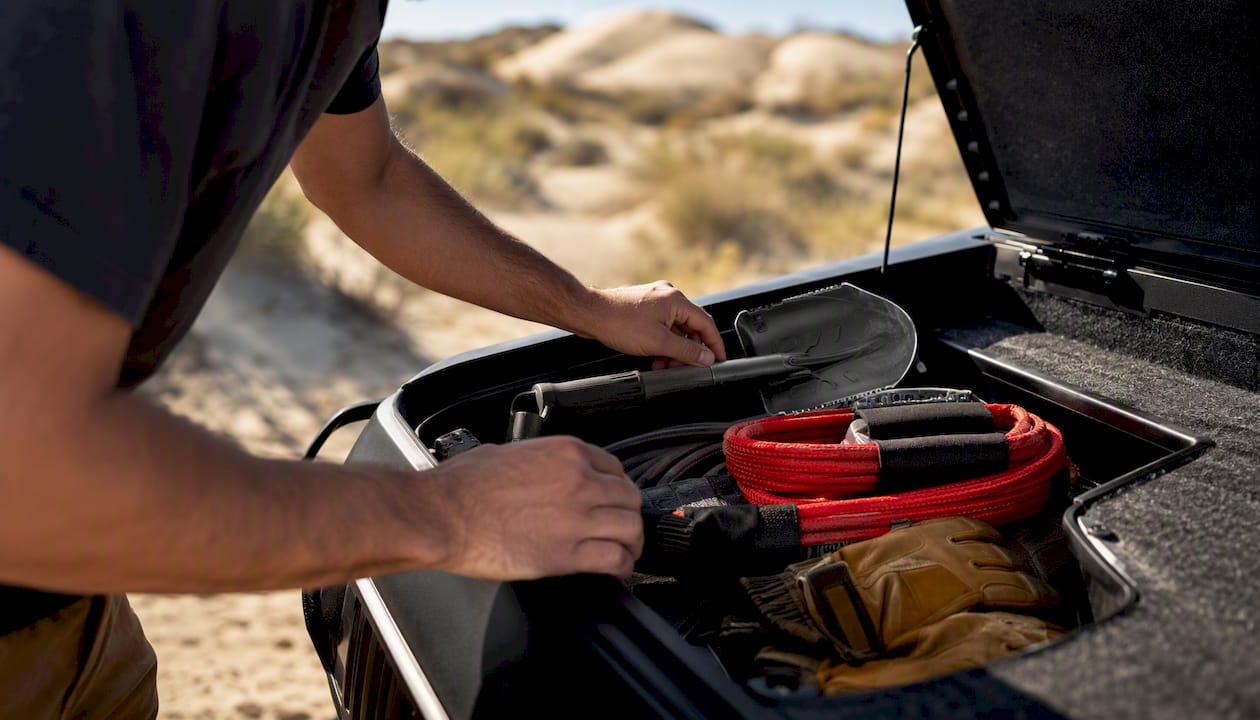
Practical logistics matter here. Sand vehicles need a capable tow vehicle, recovery gear (tow straps, a shovel), and a wash-down plan for after every ride. Sand gets into everything.
Golf carts and neighborhood utility vehicles: when low-speed is the right call
Golf carts and low-speed vehicles (LSVs) serve a specific purpose: short-distance transport on private property, campuses, golf courses, and — in some jurisdictions — public roads with speed limits of 35 mph or less. They are not the same thing, and the distinction matters legally.
- True golf carts are not street-legal by default; they lack the lighting, mirrors, and safety equipment required for road use
- LSVs (low-speed vehicles) meet federal safety standards (FMVSS 500) and can be registered for limited street use in states that allow it
- Utility neighborhood vehicles are work-focused variants with cargo beds or towing capacity
Street access for any of these depends entirely on state and local ordinances. Some municipalities permit LSVs on roads up to 35 mph; others prohibit them entirely. Check your local code before assuming you can drive one to the corner store.
Pro Tip: If you’re buying for a golf course or large property, a utility-spec model with a cargo bed will outperform a standard golf cart for maintenance and hauling tasks. The golf cart vs. ATV comparison on Importjunkies is worth reading if you’re deciding between the two.
Scooters and mopeds: practical urban powersports
Scooters and mopeds occupy the low end of the powersports spectrum in terms of speed and engine size, but they’re genuinely practical for urban commuting and short errands. The distinction between the two matters for licensing.
- Mopeds typically have engines under 50 cc and a top speed around 30 mph; many states allow operation with a standard driver’s license and no motorcycle endorsement
- Scooters range from 50 cc to 300 cc or more; models above 50 cc usually require a motorcycle endorsement and full registration
- Parking and fuel costs are the main financial advantages — scooters park in tight urban spaces and return strong fuel economy
Helmet laws vary by state. Some require helmets for all riders; others only for riders under 18. Check your state’s DMV for the exact rule, because riding without a required helmet creates both a safety risk and a legal one.
Electric powersports: what’s changed and what buyers should check
Electric options now exist across nearly every powersports category — e-ATVs, e-UTVs, electric PWCs, and electric scooters are all commercially available. The core advantages are consistent: quieter operation, lower routine maintenance (no oil changes, fewer moving parts), and reduced fuel costs.
The limitations are equally consistent:
- Range remains the primary constraint; most electric powersports models deliver shorter range than comparable gas models, particularly under heavy load or in cold weather
- Charging infrastructure is sparse outside of urban areas; remote trail riding on a single charge requires careful planning
- Battery replacement costs can be significant and are not always covered after the standard warranty period
Pro Tip: Battery warranty terms and local service network availability matter more for electric powersports than they do for gas models. Before buying, confirm what the battery warranty covers, how long it lasts, and whether there’s a service center within a reasonable distance. Resale value for electric models is still less predictable than for established gas platforms.
How do you choose the right powersports vehicle?
Work through these questions before you commit to any category:
- Primary terrain — trail, road, sand, snow, or water? Each terrain has a vehicle family built for it.
- Passenger count — solo riding opens up more options; two or more passengers points toward a UTV, two-up ATV, trike, or LSV.
- Hauling or towing needs — if you need to move material, a utility UTV or utility ATV with cargo racks is the practical answer.
- Storage and transport — do you have a trailer and tow vehicle? PWCs, snowmobiles, and dune vehicles all require trailering.
- Licensing and registration — street-legal vehicles require endorsements and registration; off-road-only models may not, but check your state.
- Insurance and financing — financing often mirrors an automotive loan; insurance requirements vary by state and by whether you ride on public land or private property.
- Local trail rules — width limits, permit requirements, and seasonal closures can eliminate certain vehicle types before you even test ride them.
Red flags to avoid:
- Buying the widest UTV available without checking trail-width limits at your riding location
- Skipping a pre-purchase inspection on any used powersports vehicle
- Ignoring rollover ratings and weight limits on UTVs, especially for passengers
| Vehicle type | Best terrain | Seats | Best use |
|---|---|---|---|
| Sport ATV | Trails, dunes | 1 | Performance trail riding |
| Utility ATV | Trails, property | 1–2 | Work and light recreation |
| UTV/side-by-side | Trails, farm, dunes | 2–6 | Group riding, hauling, work |
| Street motorcycle | Road | 1–2 | Commuting, touring |
| Dirt bike/dual-sport | Off-road, mixed | 1 | Trails, motocross |
| PWC | Water | 1–3 | Lake/ocean recreation |
| Snowmobile | Snow | 1–2 | Winter trails, backcountry |
| Golf cart/LSV | Pavement, turf | 2–6 | Campus, golf, neighborhood |
| Scooter/moped | Road | 1–2 | Urban commuting |
Pro Tip: For utility vehicle upkeep planning, Importjunkies’ maintenance guide covers the service intervals and common failure points worth knowing before you buy.
Safety, insurance, and U.S. legal basics for powersports buyers
Helmets and certified protective gear are non-negotiable for ATVs, UTVs, dirt bikes, and motorcycles. Industry safety guidance consistently identifies helmets and protective clothing as essential given the unpredictability of off-road terrain. For PWCs, a Coast Guard-approved life jacket and a kill-switch lanyard are the baseline. Snowmobile riders in backcountry terrain add avalanche safety gear to that list.
Insurance and registration — the key variables:
- Many states do not require insurance for off-road vehicles used exclusively on private land
- Financed vehicles almost always require insurance as a loan condition, regardless of where you ride
- Street-legal models (motorcycles, dual-sport bikes, LSVs) require registration and liability insurance in every state
- State and local rules vary significantly; your state DMV and parks department are the authoritative sources
Statistic callout: ATVs sold in the U.S. cover a broad spectrum of engine sizes supporting various rider needs and vehicle types, per Wikipedia’s ATV entry — a range that spans youth beginner models all the way to high-performance sport and utility machines. That spread means “ATV” covers very different risk profiles, which is one reason insurance underwriters and state regulators treat engine size and intended use as separate classification factors.
Pro Tip: Before finalizing any purchase, pull up your state’s DMV and parks department websites and search for the specific vehicle type. Registration rules, trail permits, and helmet laws are updated regularly, and a dealer’s word is not a substitute for the primary source.
Environmental and noise regulations by state
Noise and emissions rules for powersports vehicles vary considerably across U.S. states and land-management jurisdictions. California leads with the strictest standards: the California Air Resources Board (CARB) enforces emissions certifications that affect which ATV and UTV models can be legally sold or registered in the state. Several other states have adopted CARB standards by reference, so a model that’s federally compliant may still be restricted in those markets.
Noise limits are enforced differently depending on the land manager. U.S. Forest Service and Bureau of Land Management (BLM) areas often post decibel limits (commonly 96 dB or lower under the SAE J1287 test standard), and rangers can turn away vehicles that exceed them. State parks and OHV parks set their own thresholds. Aftermarket exhaust modifications that increase noise output can make an otherwise-legal vehicle non-compliant on managed trails.
Electric powersports vehicles sidestep most noise concerns by design, which is one practical advantage in noise-sensitive areas like campgrounds and residential neighborhoods.
Resale value considerations
Resale value in the powersports market follows a few consistent patterns. Brand recognition matters more here than in the automotive market, partly because the dealer and service network for well-known brands is denser, which supports used-market demand. Models from established manufacturers with wide parts availability tend to hold value better than off-brand equivalents, even when the specs look similar on paper.
Condition and maintenance records drive individual unit value more than any other factor. A well-documented service history on a mid-tier model often commands more on the used market than a neglected premium model. Hours of use (for UTVs and ATVs) and engine hours (for PWCs and snowmobiles) are the primary wear indicators buyers check.
Electric powersports resale is less predictable at this stage. Battery health and remaining warranty coverage are the two variables that most affect used electric vehicle pricing, and the market hasn’t established the same depth of comparable sales data that gas models have. If you’re buying electric with resale in mind, prioritize models from manufacturers with established service networks and transferable battery warranties.
Seasonal timing affects price too. Snowmobiles listed in spring sell at a discount; PWCs listed in fall do the same. Buying off-season and selling in-season is a straightforward way to improve your net ownership cost.
What the vehicle categories actually tell you about buying
Most buyers spend too much time comparing specs within a category and not enough time confirming they’ve chosen the right category. A 400 cc utility ATV and a 400 cc sport ATV share an engine size but serve completely different purposes. The same logic applies across the whole powersports spectrum: a golf cart and a utility UTV can both carry four people, but one belongs on a golf course and the other belongs on a working ranch.
The practical advice here is to resist the pull of the most capable or most expensive option in a category until you’ve verified that the terrain, trail rules, and storage logistics actually support it. A wide-track performance UTV is genuinely impressive, but if your local trail system caps vehicles at 50 inches, that machine spends most of its time on a trailer. The off-road vehicle guide on Importjunkies covers the full catalog of categories if you want a broader reference point.
Importjunkies carries the vehicle families covered in this guide
Importjunkies sells ATVs, UTVs, golf carts, scooters, and electric utility vehicles directly to buyers at wholesale pricing, with no dealership markup. If this guide helped you narrow down your category, the next step is straightforward: browse the specific product lines that match your use case.

For buyers leaning toward electric utility vehicles, the 48V Electric Golf Cart 4-Seater Renegade Edition is a strong starting point for campus, golf course, and neighborhood use. If you need a small UTV with real work capability, the 200cc UTV with snow plow and dump bed handles property work across seasons. Financing terms that mirror standard automotive loans are available, and the powersports financing guide walks through what to expect before you apply.
Sources
- Quick Guide to Powersports Vehicles
- What is a Powersport Vehicle? Infographic + Video – PowerSportsGuide
- The Complete Guide to ATV Types: Sport, Utility, Youth, and More - ATV Streets
- All-terrain vehicle
- ATV classifications — Oregon Parks and Recreation Department
Recommended
- Purpose of Utility Trikes: Work, Recreation, Versatility – Saferwholesale || Import Junkies || Great Sports
- Top 6 turbopowersports.com Alternatives 2026 – Saferwholesale || Import Junkies || Great Sports
- Types of Recreational Vehicles: Match Your Needs – Saferwholesale || Import Junkies || Great Sports
- Utility Vehicles Explained: Uses, Types, and Right Fit – Saferwholesale || Import Junkies || Great Sports


