


 Location
 Login
Login
You can convert ATV engine hours to miles, but only as an estimate. The math depends entirely on how fast the machine actually traveled during those hours, since no odometer tracks it directly. The rule-of-thumb most mechanics and sellers use is that an average ATV covers roughly 10 to 15 miles per engine hour, with faster trail riding pushing closer to 20.
Here’s the quick math:
- 100 hours at 12 mph (mixed use) ≈ 1,200 miles
- 100 hours at 20 mph (fast trail riding) ≈ 2,000 miles
That’s a 800-mile swing from the same 100 hours, which tells you everything about why hours alone, or miles alone, never give you the full picture.
Key Takeaways
Converting ATV hours to miles requires an average speed assumption, and the resulting hours-to-miles ratio reveals more about past use than either number alone.
| Point | Details |
|---|---|
| Use the speed-based formula | Multiply engine hours by an average speed estimate (2.5 to 25+ mph depending on use) to get approximate miles. |
| Read the ratio, not just the number | A low ratio (2 to 5 mph) signals utility work; a high ratio (15 to 25+ mph) signals trail or high-speed use. |
| Watch the 500 hour/5,000 mile mark | These figures are common high-usage reference points, but well-maintained machines often exceed them safely. |
| Verify before you trust the numbers | Request service receipts, check the hour meter directly, and pull diagnostic data where available. |
| Match maintenance to the workload | Prioritize compression and oil checks on high-hour machines, and bearings and suspension on high-mile ones. |
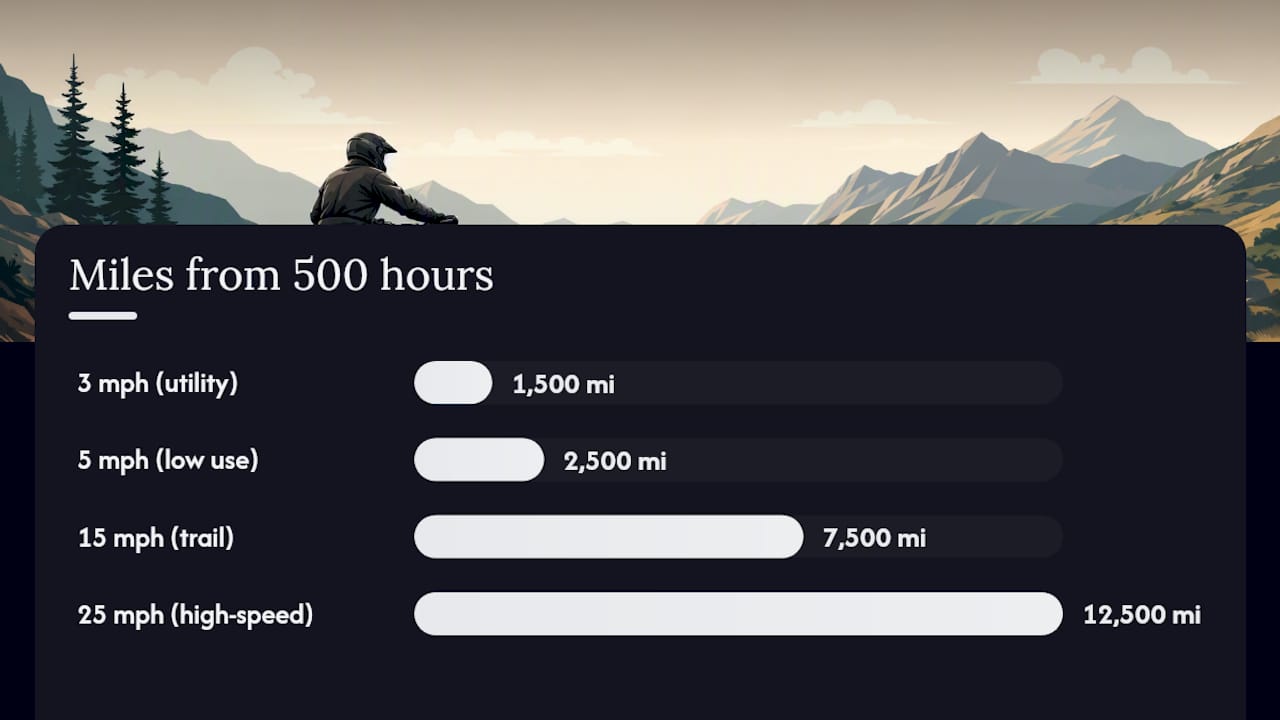
If your inspection turns up an ATV that’s logged more hours or miles than you’re comfortable with, stepping up to something built for heavier utility duty is often the better move. Import Junkies carries options like the 200cc ATV with snow plow attachment for buyers who need dependable low-hour utility capability from day one, and the 400cc 4x4 UTV with snow plow and dump bed for those ready to move beyond ATV-class equipment entirely. Before you commit to any used machine, run it through our ATV buying checklist to confirm the hours and miles line up with what you see in person.
Table of Contents
- What Engine Hours Measure vs. What Odometer Miles Measure
- How to Convert Engine Hours to Miles
- What Does the Hours-to-Miles Ratio Actually Tell You?
- What Counts as High Hours or High Miles for an ATV?
- What High Hours or High Miles Mean for Maintenance
- How Do You Verify Reported Hours and Miles on a Used ATV?
- An Evaluator’s Rule for Buying by the Numbers
- Frequently Asked Questions
- Sources
What Engine Hours Measure vs. What Odometer Miles Measure
Engine hours track total runtime, every minute the motor was running, whether the ATV was crawling through mud, plowing snow, or sitting still to power a winch. Odometer miles track distance covered, full stop.
That distinction changes what each number is good for. Hours tend to correlate more closely with internal engine wear, oil breakdown, and when a valve check is due, since combustion cycles and heat exposure happen on a clock, not a ruler. Miles correlate more with wear on wheels, brakes, bearings, and suspension bushings, the parts that only degrade when the machine is actually moving.
Consider two owners:
- A landscaper who runs an ATV at 3 mph all day hauling equipment racks up hours fast and miles slowly.
- A weekend trail rider who covers ground at 25 mph builds miles fast relative to hours.
Idling time and oversized tires distort the picture further. A machine left running to power accessories adds hours with zero wear on drivetrain components, and larger aftermarket tires can throw off odometer accuracy since most are calibrated for factory tire diameter.
How to Convert Engine Hours to Miles
The formula itself is simple: distance ≈ engine hours × average speed (mph). The same basic formula powers most online engine-hour converters. The hard part is picking the right speed, since that number swings wildly by use case.
- Utility work (plowing, hauling, farm chores): estimate 2.5 to 5 mph average, since most time is spent at a crawl or stopped.
- Mixed-use riding (trail plus errands plus occasional work): estimate 5 to 15 mph, landing near the common 10 to 15 mph rule-of-thumb most guides cite.
- Fast trail or sport riding: estimate 15 to 25+ mph, since sustained higher speeds on open trail dominate the runtime.
A utility ATV with 300 hours at 4 mph works out to roughly 1,200 miles. A mixed-use machine with 300 hours at 12 mph lands near 3,600 miles. A trail-focused ATV with 300 hours at 22 mph hits nearly 6,600 miles, more than five times the utility estimate from the identical hour count.
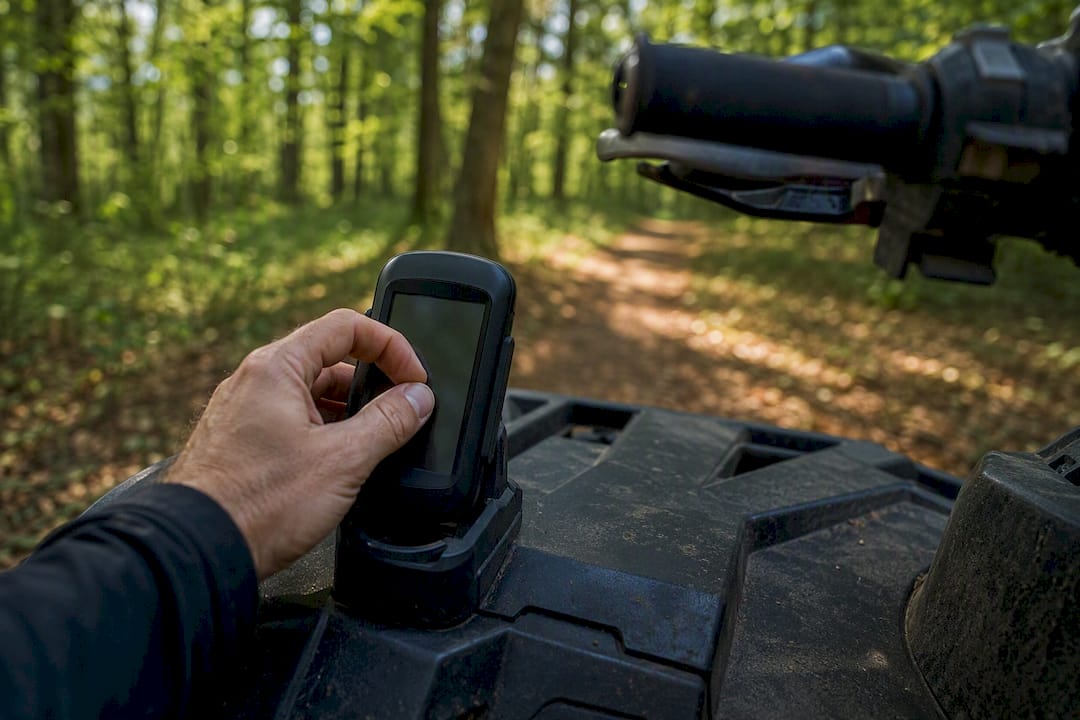
Pro Tip: Before you trust any conversion, run the specific ATV on a short GPS-tracked loop, ten or fifteen minutes is enough, and compare that measured average speed against the seller’s or owner’s claimed usage pattern. A machine that supposedly did “mostly trail riding” but tests out at 6 mph average is telling you something the paperwork isn’t.
What Does the Hours-to-Miles Ratio Actually Tell You?
Divide miles by hours and you get a number that works like a fingerprint for how the machine was actually used. A high ratio, around 20:1, points to high-speed trail riding, while a low ratio near 3:1 usually signals heavy utility work or slow, technical terrain.
- 2 to 5 miles per hour: heavy slow-speed work, plowing, hauling, technical rock crawling, or long idle periods. Expect engine wear (valve, oil, cooling system) disproportionate to the mileage shown.
- 5 to 15 miles per hour: typical mixed recreational and light-duty use. This is the range most private-sale ATVs fall into.
- 15 to 25+ miles per hour: fast trail riding, racing, or towing at speed. Expect more wear on suspension, wheel bearings, CV joints, and brakes relative to the hour count.
A ratio alone won’t tell the whole story. Idling inflates hours without adding wear, and a tire swap can throw off the miles side of the equation entirely. Always cross-check the ratio against maintenance records and a physical inspection before drawing conclusions.
What Counts as High Hours or High Miles for an ATV?
Most practical guides use roughly 500 engine hours or 5,000 miles as the point where an ATV shifts from “moderately used” to “high usage,” and a Finntrail buyer’s guide uses that same 500 hour/5,000 mile split as a reference for what many riders consider ideal versus high.
Those numbers aren’t fixed law. A well-maintained ATV with documented oil changes, valve adjustments, and regular washing can blow past 500 hours and still run tight, while a neglected machine with half that runtime can already need major work. Model, engine displacement, and how hard it worked also shift the threshold considerably.
Emission-modeling studies that convert vehicle mileage into hours have used assumed average speeds of 20 to 23 mph drawn from consumer product safety data, a reminder that even federal researchers rely on estimated speed, not a fixed conversion constant. Treat any hours-based threshold as a flag for closer inspection, not a hard cutoff.
What High Hours or High Miles Mean for Maintenance
Most service schedules run on three clocks at once: hours, miles, and calendar time, and manufacturers trigger whichever threshold arrives first. Engine-related services (oil, valve clearance, compression checks) tend to follow hours more closely, while drivetrain and suspension items follow miles.
- Check oil condition and filter history first. High hours with sparse oil-change records is the single biggest red flag on any used ATV.
- Test compression if hours exceed 400 to 500, especially on machines used for heavy utility work where sustained load stresses the top end.
- Inspect wheel bearings, CV joints, and brake pads more closely when miles are high relative to hours, since that ratio points to sustained speed and distance.
- Check suspension bushings and A-arms on any ATV with a high miles-to-hours ratio, since that usage pattern hammers the chassis hardest.
- Request maintenance documents, oil change receipts, dealer service logs, any warranty repair records, before assuming the seller’s numbers tell the whole story.
Pro Tip: Ask a dealer or independent mechanic to pull stored diagnostic data if the ATV has an electronic control module. Many modern machines log hour and RPM history internally, which is far harder to fake than a sticker on the dash.
How Do You Verify Reported Hours and Miles on a Used ATV?
Start with the hour meter itself, then ask for service receipts that reference specific hour or mileage readings at the time of each visit. A consistent paper trail across multiple visits is the strongest evidence you’ll get.
Ask the seller directly about typical use: utility work, trail riding, plowing, and whether the machine spent significant time idling. Cross-reference their answer against the ratio you calculated.
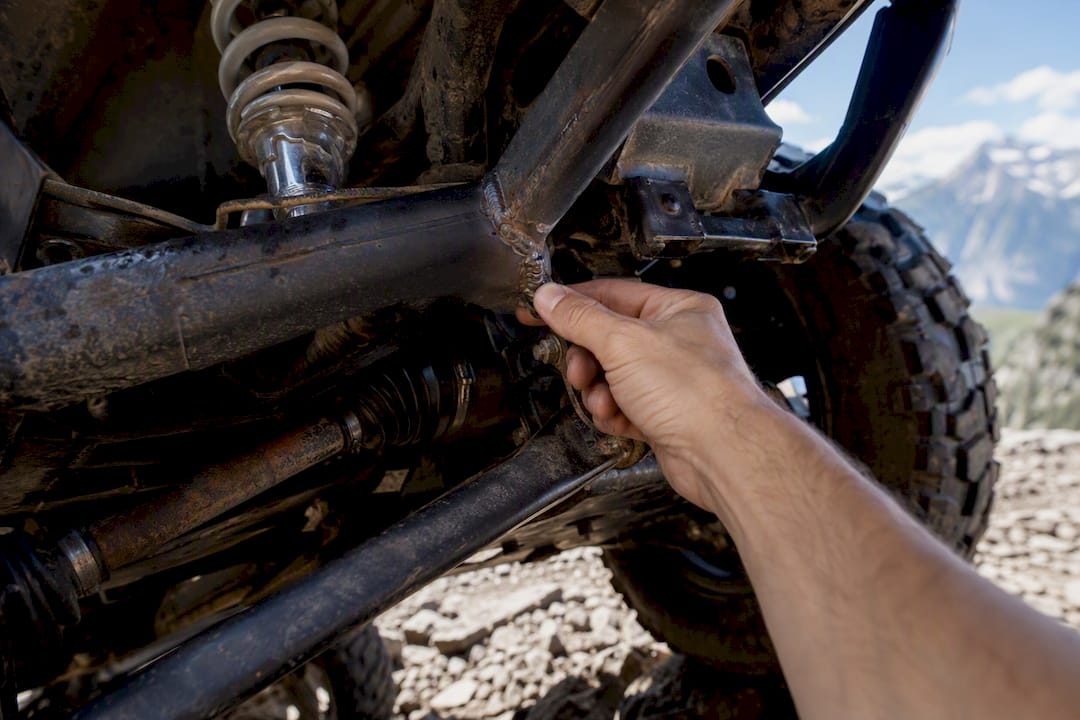
Watch for red flags: paperwork that doesn’t match the machine’s condition, bent A-arms or fresh welds suggesting hidden crash damage, or wear that looks far more advanced than the stated hours and miles would explain. A quick engine ID check through a resource like Mistree’s guide to engine identification numbers can also confirm the motor matches the vehicle’s original paperwork, not a swapped replacement.
An Evaluator’s Rule for Buying by the Numbers
Personally, I weight hours heavier than miles on any ATV marketed for utility work, and miles heavier on anything sold as a trail machine, since each number reflects the stress that actually matters for that use case. My working threshold: under 400 hours or 4,000 miles with full service records, or I walk. No records at all, even low numbers don’t buy my confidence.
Frequently Asked Questions
Is it better to judge a used ATV by hours or by miles? Neither alone tells the full story. Hours reflect engine workload and service timing better; miles reflect wear on wheels, brakes, and suspension better. Use both together with the ratio between them.
What is a normal hours-to-miles ratio for an ATV? Most mixed-use recreational ATVs fall between 5 and 15 miles per hour. Ratios below 5 suggest utility work; ratios above 15 suggest fast trail riding.
How many hours is considered too many on a used ATV? Around 500 hours is a commonly cited threshold where buyers should inspect more closely, though a well-documented, well-maintained machine can safely exceed that.
Can idling inflate an ATV’s engine hours? Yes. Machines left running to power accessories or warm up in cold weather rack up hours without the mechanical wear that comes from actual riding, so cross-check hours against a physical inspection.
Do all ATV hour meters work the same way? No. Some track hours only while the engine runs; others accumulate time whenever the key is turned to the on position, so compare specifics across brands before assuming two machines’ hour counts mean the same thing.
Sources
- ATV Hours vs. Miles Explained - Hours to Miles Conversion
- Hours Vs. Miles: What Matters More For ATVs
- Memorandum: Emission Modeling for Recreational Vehicles (November 13, 2000)
- What Are High Mileage and High Hours for an ATV? | Finntrail Blog
- Engine Hours to Miles Converter
Recommended
- What Is an ATV? Features, Types, and Uses Explained – Saferwholesale || Import Junkies || Great Sports
- ATV vs Dirt Bike: Which One Fits You? – Saferwholesale || Import Junkies || Great Sports
- Electric ATVs for Adults Worth Buying Now – Saferwholesale || Import Junkies || Great Sports
- ATV Title and Registration: What Every Owner Must Know – Saferwholesale || Import Junkies || Great Sports


