


 Location
 Login
Login
Most home garage installs land between $2,700 and $12,500 once the lift, concrete work, and electrical are all accounted for, according to CarLiftLab’s 2026 pricing breakdown. The lift itself is only one line item. What actually moves your total is the lift type you pick, whether your slab and electrical panel are ready to go, and whether you want the peace of mind that comes with a certified, professionally installed unit. A used lift can trim the sticker price, but transport and reinstallation often eat a good chunk of that discount.
TL;DR:
- Concrete remediation costs can add $1,500 to $3,000 or more, significantly increasing the total project price beyond the lift’s initial cost.
- The most common home garage lift, a two-post model, typically costs between $3,500 and $5,000 including installation, slab prep, and electrical work.
- Certification by the Automotive Lift Institute adds premium cost but ensures verified safety standards and structural integrity.
- Used lifts may seem cheaper but often incur high transport and reinstallation costs, which can erode most of the saved amount.
- Proper measurements of ceiling height, bay width, and slab condition before purchase prevent costly delays and upgrade expenses.
Table of Contents
- Auto Lift Cost by Type: What You’re Actually Paying For
- Installation and Site-Prep Costs Nobody Mentions Upfront
- Real Project Totals: Three Scenarios Worth Comparing
- Budgeting, Financing, and Scheduling Your Purchase
- Safety Certification and Making Sure the Lift Actually Fits
- Buying Used: When It Pays Off and When It Doesn’t
- Where to Go Deeper Before You Buy
- What Actually Matters When You’re Pricing a Lift
- Get a Quote and See Real Auto Lift Pricing at Importjunkies
- Sources
Auto Lift Cost by Type: What You’re Actually Paying For
Before you can budget for installation, you need a number for the lift itself. Prices vary widely by design, and the gap between a portable scissor lift and an in-ground unit is the difference between a weekend project and a full construction job.
Portable scissor lifts sit at the entry point of the market. They roll into place, often run on standard 110V household power, and work well for oil changes and light service. Mid-rise scissor lifts step up in height and stability, giving you better access underneath the vehicle without the footprint of a full two-post system.
Single-post lifts are less common in home garages but show up in specialty shops working on smaller vehicles. Two-post lifts are the workhorse of the American home garage. Most models need a dedicated 220V circuit, and you’ll see the widest price spread in this category because it spans everything from light-duty consumer units to heavy-duty commercial-grade columns.
Four-post service lifts trade some of the two-post’s under-car access for stability and ease of use. They’re a favorite for owners who want to store a second vehicle above a working bay. Four-post parking or stacker lifts serve a different purpose entirely: they’re built to double your garage’s storage capacity rather than give you wrench access.
In-ground lifts disappear into the floor when not in use, which makes them attractive for shops with strict floor space limits, but the installation involves cutting into your slab. Alignment lifts and specialty rack systems round out the top of the price range, built for shops that need precision positioning rather than general service work.
The numbers above come from CarLiftLab’s current market data, and they represent the lift alone, not what it costs to get it bolted down and running. That’s where the next section comes in, and it’s the part most first-time buyers underestimate.
Installation and Site-Prep Costs Nobody Mentions Upfront
The lift price on a product page is the easy number. What surprises most buyers is everything that has to happen to your garage before that lift can go in.
Concrete matters more than most buyers expect. Manufacturers typically want a slab at least 4 inches thick and rated at 3,000 PSI or higher before they’ll warranty a lift installation, according to Autoleap’s space-requirement guide. If your existing slab doesn’t meet that standard, expect remediation or new footing pours to run $1,500 to $3,000 or more, based on Pitstop Pro’s cost breakdown.
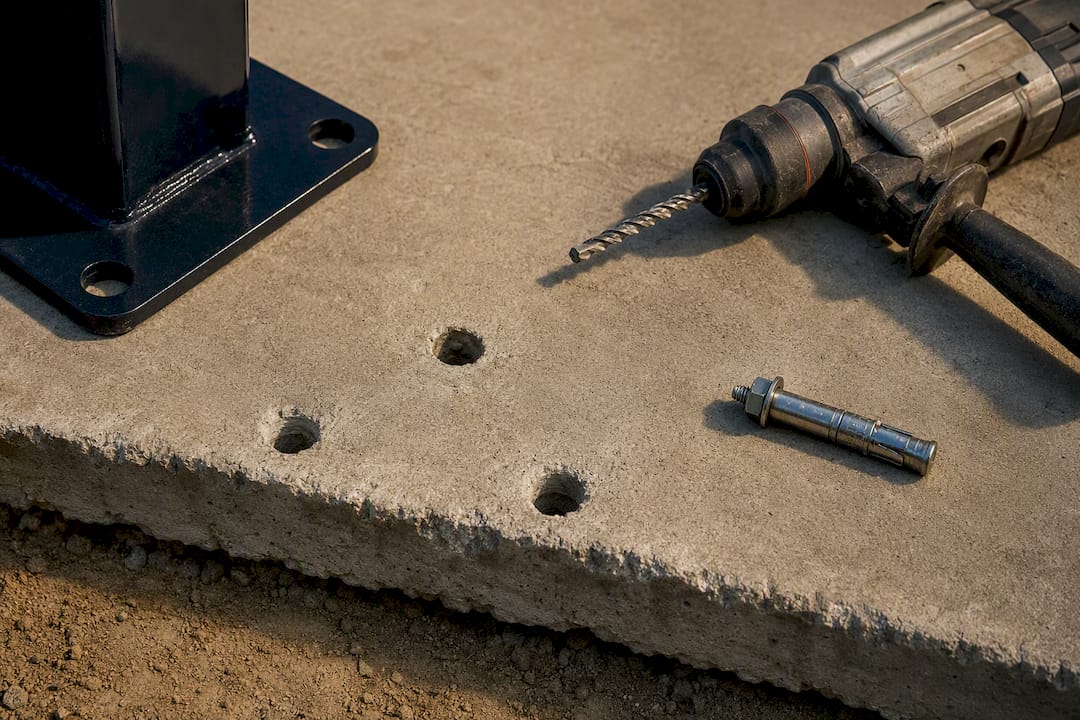
Electrical work is the second big variable. A two-post or four-post lift generally needs a dedicated 220V circuit. If your panel already has capacity nearby, an electrician might handle it for a few hundred dollars.
Other costs to build into your budget:
- Freight and liftgate delivery fees typically add an additional delivery cost depending on access and equipment availability, whether you’re a residential address without a forklift, according to Current Cost’s installation breakdown.
- Professional installation labor runs $500 to $2,500, with most jobs taking 6 to 20 hours depending on lift complexity, per the same source.
- Permits and inspections vary by municipality. Some jurisdictions don’t require anything for a home garage lift; others treat it as a structural or electrical permit item with its own fee schedule.
Here’s a number worth sitting with: concrete remediation alone can add $1,500 to $3,000+ to a project that looked affordable on the lift’s price tag. That single line item is often the difference between a straightforward install and a budget surprise.
Real Project Totals: Three Scenarios Worth Comparing
Numbers in isolation don’t tell you much. Seeing them stacked into real scenarios does.
A basic install looks like a portable scissor lift or an entry-level two-post going into a garage with a solid, code-compliant slab and existing 220V service nearby. A typical mid-range project involves a mainstream two-post lift, standard installation labor, and a few common extras like a short electrical run. A worst-case scenario combines a premium lift with slab remediation and a full electrical panel upgrade, which is exactly the kind of project that blows past initial estimates.
That mid-range total of roughly $3,500 to $5,000 lines up with what CarLiftLab reports as the common outcome for a home two-post install. A vague lump-sum quote is where surprises hide.
Budgeting, Financing, and Scheduling Your Purchase
Paying cash up front is still the cheapest way to buy, but it’s not the only option. Most manufacturers and dealers offer financing plans with various term lengths; for example, a $3,000 lift financed over three years at typical rates would result in monthly payments around ninety to one hundred dollars, based on CarLiftLab’s financing examples. Dealer financing, standalone equipment loans, and buy-now-pay-later plans all show up in this market. Read the fine print on deferred-interest offers. They can turn expensive fast if the balance isn’t cleared in time.
A realistic order-to-first-use timeline runs through a few clear steps:
- Confirm ceiling height, bay width, and slab condition before you order anything.
- Order the lift and schedule freight delivery, which typically takes one to three weeks depending on the manufacturer.
- Line up your electrician and any needed permits so they’re ready when the lift arrives.
- Schedule installation, which usually happens within a few days of delivery once site prep is complete.
- Request a final inspection or certification walkthrough before putting the lift into regular use.
Pro Tip: Get your electrician and concrete contractor scheduled before your lift ships, not after it arrives. A lift sitting in a driveway for three weeks waiting on a panel upgrade is a common, avoidable delay.
Safety Certification and Making Sure the Lift Actually Fits
ALI certification is the single most important safety signal in this market. Automotive Lift Institute certification means a lift has gone through independent, third-party testing against national safety standards, according to the Automotive Lift Institute. Certified lifts often cost more than uncertified imports, but that premium buys verified load ratings and structural integrity you can’t confirm on your own.
Fit matters just as much as certification. Before you order:
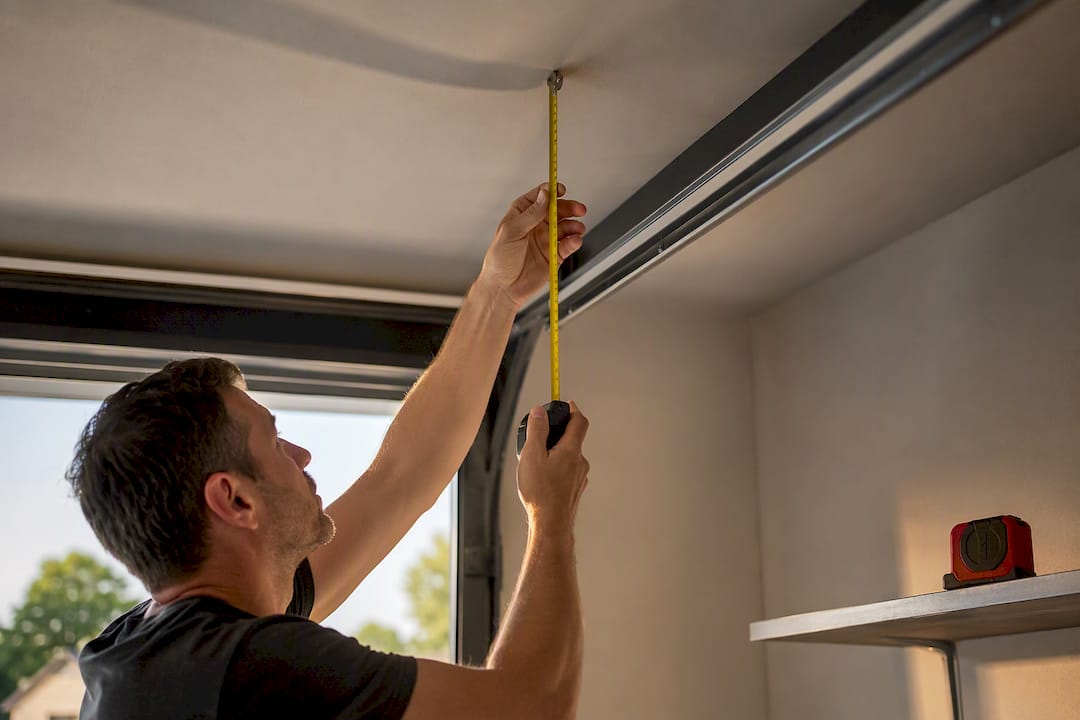
- Measure your lowest ceiling obstruction, including garage door tracks, light fixtures, and HVAC ducts, not just the ceiling itself.
- Confirm your bay width against the lift’s fully-extended footprint, not just its stored dimensions.
- Verify your slab meets the thickness and PSI rating your chosen lift requires, per Autoleap’s installation guidance.
Budget $100 to $300 a year for inspection and routine maintenance, based on Current Cost’s estimates, plus occasional hydraulic fluid or seal replacement over the lift’s service life.
Pro Tip: A modest error measuring your lowest ceiling point can force you into a different lift model entirely. Measure twice, and measure the tracks, not just the drywall.
Buying Used: When It Pays Off and When It Doesn’t
Used lifts commonly sell for a reduced price below new retail, but transport, refurbishment, and reinstallation costs often reduce the overall savings, according to CarLiftLab’s market data. A premium-brand used lift can still be worth it if it’s inspected properly, but the math often erodes much of that headline discount.
Watch for these red flags before you buy:
- Missing service records or no documented inspection history.
- Visible rust or corrosion on structural columns, arms, or the base plate.
- A seller who can’t tell you the lift’s age, capacity rating, or original certification status.
- No willingness to let you inspect the unit in operation before purchase.
Get any used lift certified or inspected after reinstallation, even if the seller claims it’s in good condition.
Where to Go Deeper Before You Buy
Getting the numbers right matters, but so does getting the fit and the standards right. Importjunkies’ car lift ceiling height guide walks through measuring your garage against specific lift models. The types of auto lifts guide breaks down which lift design actually suits your work, and the auto lift safety standards guide covers ALI and ANSI compliance in more depth than a single cost article can.
If you’re also converting part of your garage into a working bay rather than just parking storage, TuningBot’s workshop setup guide covers the tool and layout side of that decision well. For labor-rate context beyond lift installation itself, Mistree’s breakdown of auto labor costs is a useful reference point for what shops charge for comparable work.
Importjunkies’ product listings include detailed specs and pricing for lifts and related equipment, and the site’s customer support team can walk through installation questions before you commit to a purchase.
What Actually Matters When You’re Pricing a Lift
The conventional advice on this topic focuses almost entirely on the lift’s sticker price, and that’s the wrong starting point. The real number you should anchor on is the installed total, because that’s where budgets actually go sideways. A $2,000 lift on a slab that needs $2,500 in remediation isn’t a $2,000 purchase. It’s a $4,500 one, and too many buyers don’t find that out until a contractor is standing in their garage.
Certification gets treated as an afterthought by a lot of first-time buyers chasing the lowest price, which is backwards. An ALI-certified lift costs more up front because someone independent verified it won’t fail under load. That’s not a marketing detail. It’s the difference between a lift you trust your vehicle and your safety to, and one you’re hoping works out.
If there’s one habit worth building before you shop: measure your garage, check your panel, and get your slab evaluated before you fall in love with a specific lift model. The equipment is the easy part.
— Gary
Get a Quote and See Real Auto Lift Pricing at Importjunkies
Comparing the totals above against real listings is the fastest way to know if your budget is realistic. Some retailers sell new and used vehicles and equipment direct to the public at wholesale pricing, which means you’re seeing real numbers on product pages instead of guessing at a quote that might change once you call.
Browse current lift and equipment listings on the Importjunkies product catalog to see specific pricing and specs, or reach out through customer support if you want help figuring out installation logistics for your specific garage. If a lift isn’t quite what you’re after, a similar direct-to-public pricing model may apply across some retailers’ full lineup, including options like the 48V electric golf cart utility UTV for shops that need more than just a service bay. Request a quote from a retailer and compare it against the totals in this guide before you commit to a purchase.
Sources
- Automotive lift certification — Automotive Lift Institute
- How Much Does a Car Lift Cost? 2026 Price Breakdown — CarLiftLab
- Auto lift installation cost: price range, components, and savings — Current Cost
- How much does a car lift cost? — Pitstop Pro journal


