


 Location
 Login
Login
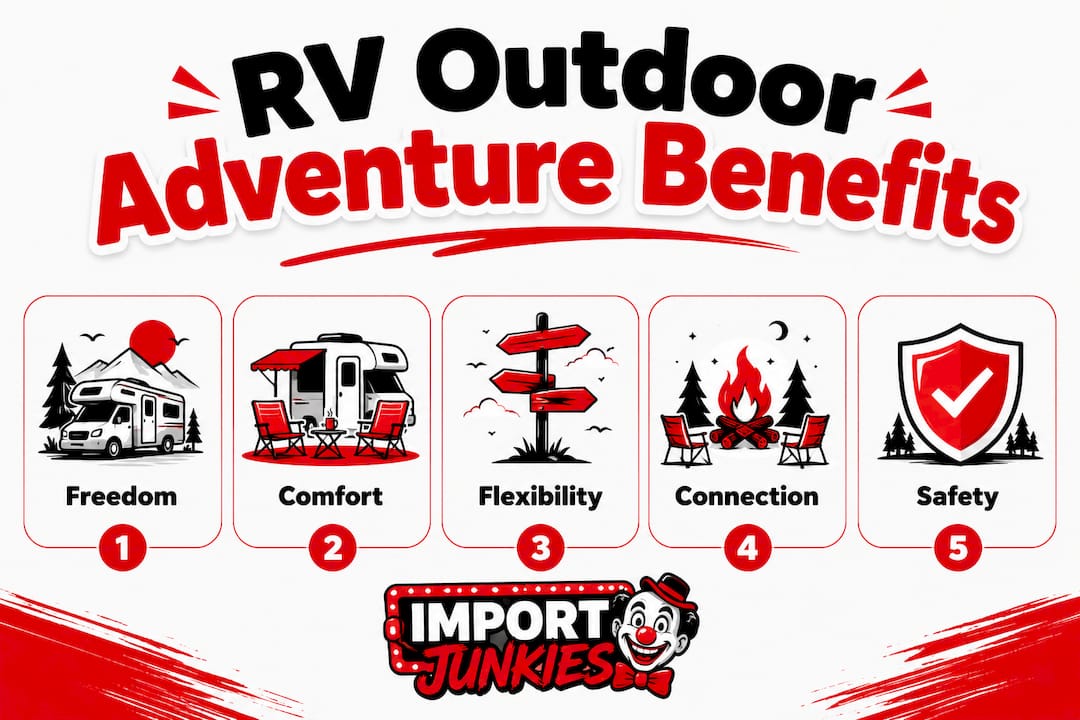
Recreational vehicles serve as self-contained mobile bases that make extended outdoor adventures genuinely practical. You get a real bed, a working kitchen, climate control, and private storage, all parked at the trailhead or lakeside campsite you actually want to reach. That combination of comfort and mobility is what separates RV travel from every other form of outdoor recreation. RVs support everything from weekend camping trips to months-long cross-country journeys, and they do it while keeping your routine intact.
The core functions RVs serve in outdoor adventures:
- Mobile shelter: Sleep, cook, and store gear without hotel logistics or tent setup
- Activity base camp: Park at a trailhead and use the RV as a recovery hub between hikes, paddles, or rides
- Family bonding space: Shared meals, planning sessions, and downtime happen in one consistent space
- Wellness platform: Nature exposure, digital detox, and restorative sleep all happen more naturally when your home travels with you
- Cost control tool: Cooking your own meals and skipping nightly hotel fees cuts travel costs significantly compared to traditional vacations
- Flexibility engine: Change your itinerary without rebooking anything
What types of recreational vehicles should you know about?
Understanding the main RV categories helps you match the right rig to your adventure style. The industry groups them into two broad families: motorized and towable. Each has real trade-offs in cost, maneuverability, and livability. You can explore a full breakdown of RV types and uses before committing to a purchase or rental.
- Class A motorhomes: The largest motorized option, typically long enough to accommodate a full kitchen, bathroom, and living area for extended touring and maximum comfort, with full kitchen, bathroom, and living area, built for extended touring and maximum comfort.
- Class B motorhomes (camper vans): Compact and fuel-efficient, easier to park in tight spots. Popular with solo travelers and couples who prioritize mobility over space.
- Class C motorhomes: Mid-size rigs with an over-cab sleeping area. A practical middle ground for families who want amenities without the bulk of a Class A.
- Travel trailers: Towable units ranging from lightweight teardrop designs to full-size models with slide-outs. Unhitch at camp and use your tow vehicle independently.
- Fifth-wheel trailers: Taller, heavier towables that hitch into a truck bed. Offer more interior height and often a separate bedroom level.
- Pop-up campers: Fold-down trailers that expand at camp. Low tow weight, affordable, and good for campers who want some shelter without a full rig.
- Off-road and hybrid campers: Ruggedized trailers built for unpaved terrain, often with high clearance and independent suspension. Designed for overlanding and backcountry access where standard trailers cannot go.
- Toy haulers: Trailers or motorhomes with a rear garage section for ATVs, dirt bikes, kayaks, or other powersports gear.
How RVs support outdoor activities and adventure travel
The practical advantage of an RV is that it removes the logistical ceiling on how long and how far you can go. You are not rationing food, hunting for lodging, or managing shuttle runs between trailheads. Long-distance hikers, for example, use RVs as base camps at trailheads, replacing the complicated shuttle logistics that section hiking normally demands. That alone changes the math on multi-day outdoor trips.
Outdoor activities that RVs directly support:
- Hiking and backpacking (trailhead base camp with real recovery)
- Kayaking and canoeing (gear storage, dry clothes, hot meals post-paddle)
- Mountain biking (bike storage, tool access, post-ride showers)
- Fishing (early morning access to remote lakes without overnight hotel bookings)
- Rock climbing (proximity to crags with climate-controlled rest between sessions)
- Wildlife photography (multi-day stays at remote locations without resupply pressure)
- Skiing and snowboarding (heated shelter at the mountain without resort lodging costs)
Families traveling together get an additional benefit: shared routines. Making breakfast, planning the day’s route, and winding down together in one space creates the kind of low-pressure interaction that a hotel schedule rarely allows. The flexibility RV travel provides is what 37 million Americans chose for summer travel, driven by the ability to control their own schedule rather than hand it to airlines and hotels.
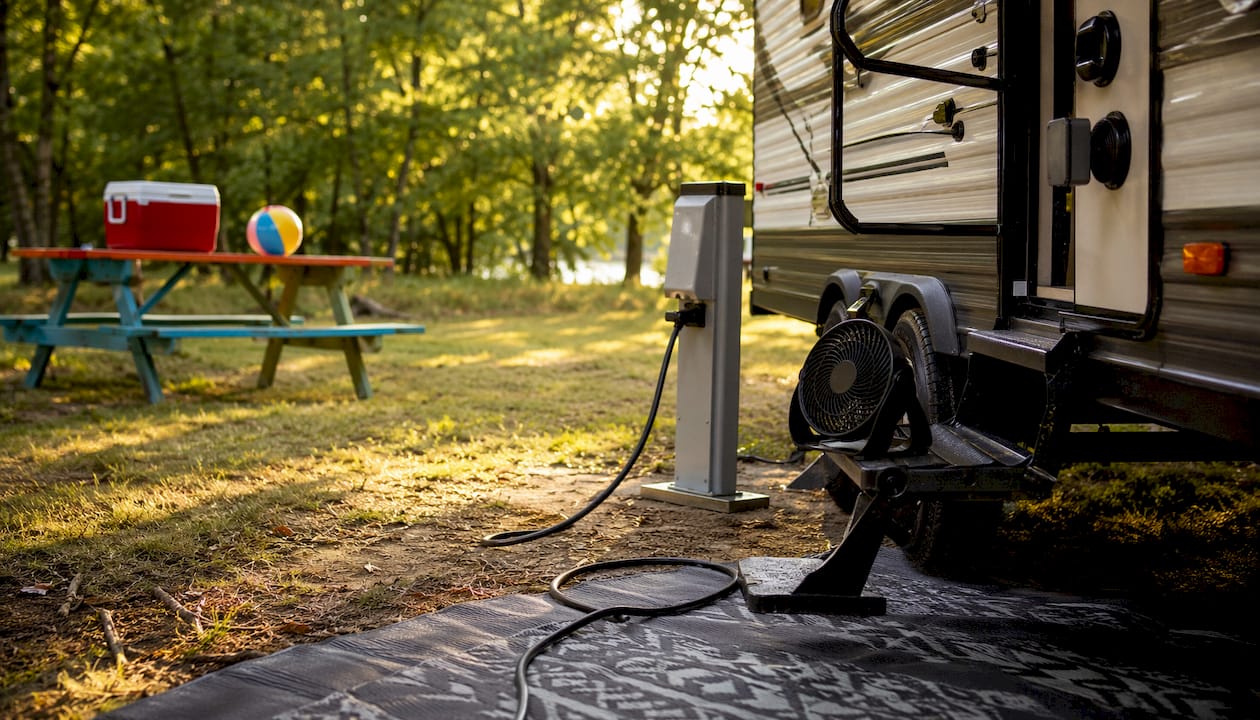
Pro Tip: Park at a campsite with electrical hookups when temperatures are extreme. Running your climate control off shore power instead of your generator saves fuel and reduces noise for neighboring campers.
What’s driving U.S. RV market growth right now?
The U.S. RV market has expanded well beyond its traditional retiree base. Younger travelers and families are now a major share of demand, drawn by the same factors: flexibility, nature access, and cost control. The pandemic accelerated this shift by making self-contained travel the obvious choice, and those habits have held well beyond the original circumstances.
| Growth Driver | Impact |
|---|---|
| Pandemic-era travel habits | Normalized self-contained, independent travel for millions of new RV users |
| Rising hotel and airfare costs | Made RV ownership and rental more cost-competitive for multi-destination trips |
| Younger demographic adoption | Broadened the market base beyond retirees to include families and remote workers |
| Powersports integration | ATVs, boats, and motorcycles now frequently travel with RVs, increasing trip value |
| Gateway town investment | Campgrounds, marinas, and trailhead facilities expanded to meet demand |
Powersports vehicles are reshaping how RV trips are structured. Travelers increasingly pair ATVs and boats with their RV setup, using the rig as a mobile garage and home base while the powersports equipment handles the actual terrain. This integration is creating fresh demand in gateway communities near forests, lakes, and trail systems. Towns that once relied on summer hotel traffic are now seeing year-round spending from RV travelers who stay longer and range farther. For anyone looking at current RV picks for 2026, the trend toward multi-use rigs with dedicated gear storage reflects exactly this shift.
Key innovations driving the current RV generation:
- Lithium battery systems replacing lead-acid, enabling longer off-grid stays
- Solar panel integration for campsite power without generator noise
- RV-specific GPS routing that accounts for height, weight, and road restrictions
- Lightweight composite materials reducing tow weight without sacrificing structure
- Smart monitoring apps for tank levels, battery state, and tire pressure
How does RV travel affect your mental health and well-being?
The psychological case for RV travel is backed by research, not just anecdote. A 2024 study of 469 RV tourists found that serendipity, social interaction, and connection with nature each independently drive both psychological restoration and transformative personal experiences. The study used structural equation modeling and found that psychological restoration mediates the relationship between those three factors and lasting personal growth.
Nature exposure during RV camping lowers stress and inflammation while improving sleep quality, a concept sometimes called ecotherapy. The difference between a weekend camping trip and an RV trip is duration and consistency. When your bed, your kitchen, and your daily routine travel with you, you spend more consecutive days in the environment, which compounds the restorative effect.
Wellness benefits travelers report from RV camping:
- Reduced screen time and mental noise from digital detox
- Better sleep from physical activity, fresh air, and reduced artificial light
- Stronger social bonds from shared planning, cooking, and outdoor activity
- Improved mood from sustained nature exposure rather than brief day visits
- Greater sense of personal agency from controlling your own schedule
Pro Tip: Leave your campsite Wi-Fi password in the glovebox, not on your phone’s home screen. That small friction point makes it easier to default to the outdoors rather than the feed.
The blend of comfort and freedom that RV travel offers is what makes the psychological benefits stick. You are not white-knuckling through discomfort to earn a nature experience. You are recovering well, eating properly, and sleeping in your own bed, which means you can sustain the trip long enough for the restorative effects to actually accumulate.
What environmental impact should RV travelers plan for?
RVs carry a real environmental footprint, and being honest about it helps you travel more responsibly. Larger motorhomes consume more fuel per mile than passenger vehicles, and the Corporate Average Fuel Economy standards set by the U.S. Department of Transportation apply differently to heavier RV classes. Diesel pushers and large Class A rigs often fall outside standard passenger vehicle fuel economy requirements entirely.
Practical steps that reduce your RV’s environmental impact:
- Use solar and lithium systems to reduce generator runtime and fuel burn at camp
- Follow Leave No Trace principles at every campsite, including gray water disposal
- Choose certified campgrounds with proper sewer hookups rather than dumping in unmanaged areas
- Drive at moderate highway speeds since fuel consumption rises sharply above 60 mph in large rigs
- Travel in shoulder seasons to reduce pressure on high-traffic natural areas during peak months
Electric and hybrid RV platforms are entering the market, though range limitations still make them better suited for shorter regional trips than cross-country touring. The direction is clear, and buyers shopping for a family RV should factor in the long-term operating cost difference between fuel types.
Safety tips and best practices for RV use in outdoor settings
Safe RV travel starts with route planning, and standard GPS apps are not built for large rigs. A Class A motorhome or fifth-wheel combo can occupy eight or more car parking spaces, and roads near popular national parks often have clearance restrictions, weight limits, and tight switchbacks that standard navigation ignores. Use RV-specific routing tools that account for your rig’s height, length, and weight before you leave the driveway.
Core safety practices for RV outdoor travel:
- Know your rig’s dimensions: Height, length, and loaded weight determine which roads and campgrounds you can safely use
- Arrive early at popular parks: Spaces fill fast, and large RV combos need specific pull-through or oversized sites
- Check tire pressure and wheel torque before every driving day, especially after rough terrain
- Test all propane connections at the start of each trip and carry a carbon monoxide detector inside the rig
- Carry a physical map as backup when cell service drops in remote areas
- Practice backing and turning in an empty lot before attempting tight campground loops
- Secure all interior items before moving, since unsecured gear becomes a hazard during hard braking
Weather awareness is non-negotiable. If severe weather is forecast for your planned location, an RV gives you the option to simply drive to a different region rather than shelter in place. That mobility is a genuine safety advantage over tent camping, but only if you use it proactively rather than reactively.
Gear up your outdoor adventures with Importjunkies

Whether you are outfitting a base camp setup or adding powersports capability to your RV trips, Importjunkies carries the utility and recreational vehicles that make outdoor adventures more capable. From electric utility vehicles built for campsite mobility to the 650S Mighty Hauler motorcycle carrier that lets you bring your bike along for the ride, the catalog is built for people who take their outdoor time seriously. Browse the full lineup at Importjunkies and find the equipment that fits your adventure style.
Key Takeaways
RVs are the most practical platform for extended outdoor adventure because they combine mobility, comfort, and self-sufficiency in a single unit.
| Point | Details |
|---|---|
| Cost savings are real | RV travel with home cooking can cut total trip costs by up to 60% compared to traditional vacations. |
| Psychological benefits are documented | A 2024 study of 469 RV tourists found serendipity, social interaction, and nature connection drive restoration and personal growth. |
| Route planning is non-negotiable | Large RV combos can occupy multiple car spaces; RV-specific GPS and early arrival protect both safety and access. |
| Powersports integration is reshaping travel | ATVs, boats, and motorcycles paired with RVs are redirecting tourism spending toward gateway towns and outdoor hubs. |
| Sustainability requires active choices | Solar systems, proper waste disposal, and shoulder-season travel meaningfully reduce an RV’s environmental footprint. |
Recommended
- Types of Recreational Vehicles: Match Your Needs – Saferwholesale || Import Junkies || Great Sports
- Why Off-Road Vehicles Matter for Outdoor Adventures – Saferwholesale || Import Junkies || Great Sports
- Must-Have Recreational Vehicles 2026: Top Picks Guide – Saferwholesale || Import Junkies || Great Sports
- Selecting Recreational Vehicles: A Family Buyer’s Guide – Saferwholesale || Import Junkies || Great Sports


