


 Location
 Login
Login
For most casual riders, a hybrid bike covers the widest range of situations — paved paths, light gravel, short errands, and weekend rides of moderate distance. If you want something even simpler, a cruiser or comfort bike puts you in an upright position with minimal fuss. And if hills or longer distances are part of your picture, an electric-assist bike can make riding significantly easier, letting you cover more ground with less effort.
Here is a fast breakdown of the main types of bikes for leisure riding and who each one suits:
- Hybrid bike — best for mixed surfaces and riders who want one bike that does most things well
- Cruiser/comfort bike — best for flat, relaxed rides like beach paths and neighborhood loops
- City/Dutch/step-through bike — best for urban errands, riders who want easy mounting and dismounting, and commuter-ready practicality
- Folding bike — best for apartment dwellers, transit commuters, or anyone with tight storage
- Gravel/adventure bike — best for riders who want to explore unpaved paths and mixed terrain on weekends
- Electric-assist (e-bike) — best for hillier routes, longer rides, or anyone who wants to arrive without breaking a sweat
If you can only pick one category to start with, the hybrid is the most broadly useful choice for the majority of leisure riders. If you want the lowest learning curve and the most relaxed posture, a cruiser or step-through e-bike is the easiest entry point.
Table of Contents
- What are the best types of bikes for leisure riding?
- How do you choose the right leisure bike for your needs?
- What do leisure riders need to know about e-bikes?
- What does a leisure bike actually cost, and what maintenance does it need?
- Key Takeaways
- The bike type most buyers overlook
- Ready to browse electric leisure bikes at direct-to-consumer pricing?
- Useful sources and further reading
What are the best types of bikes for leisure riding?
The answer depends on where you ride and how far, but each category below has a clear use case. Understanding the differences saves you from buying a bike that feels wrong after the first few outings.
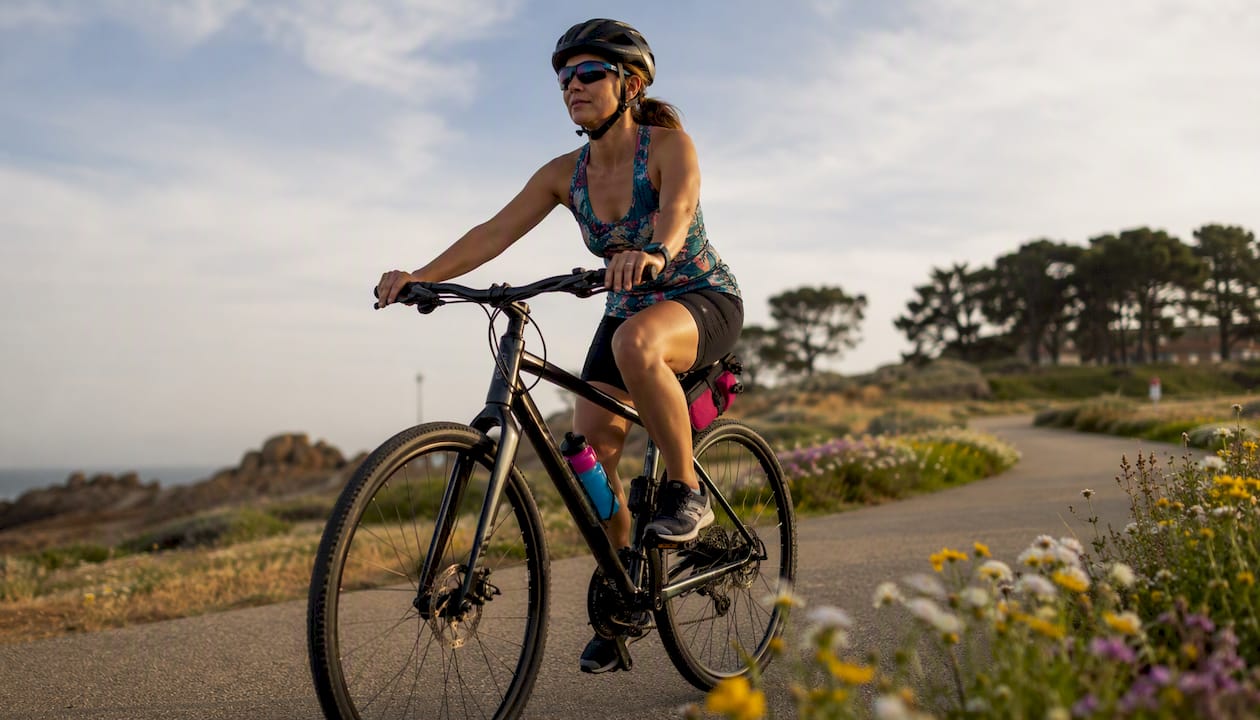
Hybrid and fitness-hybrid bikes
A hybrid bike sits between a road bike and a mountain bike in both geometry and capability. You get a relatively upright riding position, flat handlebars, and tires wide enough to handle light gravel without slowing you down on pavement. Terrain is the deciding factor: if your rides mix paved paths with occasional dirt sections, a hybrid with slick or lightly treaded tires handles both without compromise.
Best for: Mixed-surface weekend rides, rail trails, neighborhood loops, light commuting
Comfort features to look for: Upright geometry, 32–45mm tires, ergonomic grips, adjustable stem, rack and fender mounts
Typical price range: Entry $350–$600 / Mid $600–$1,200 / Premium $1,200+
Fitness hybrids lean slightly more aggressive in posture and are geared for riders who want a bit more speed. For pure leisure use, stick with the comfort-oriented hybrid end of the spectrum.
Cruiser and comfort bikes
Cruisers are built around one idea: make riding feel effortless. Wide, swept-back handlebars bring your hands close to your body, the saddle sits low, and the geometry lets you place your feet flat on the ground while seated. Brooklyn Bicycle Co.'s Brighton 7 is a good example of this category — a 7-speed Shimano drivetrain handles gentle hills and headwinds, while the relaxed frame keeps you comfortable on boardwalk rides or neighborhood café runs.
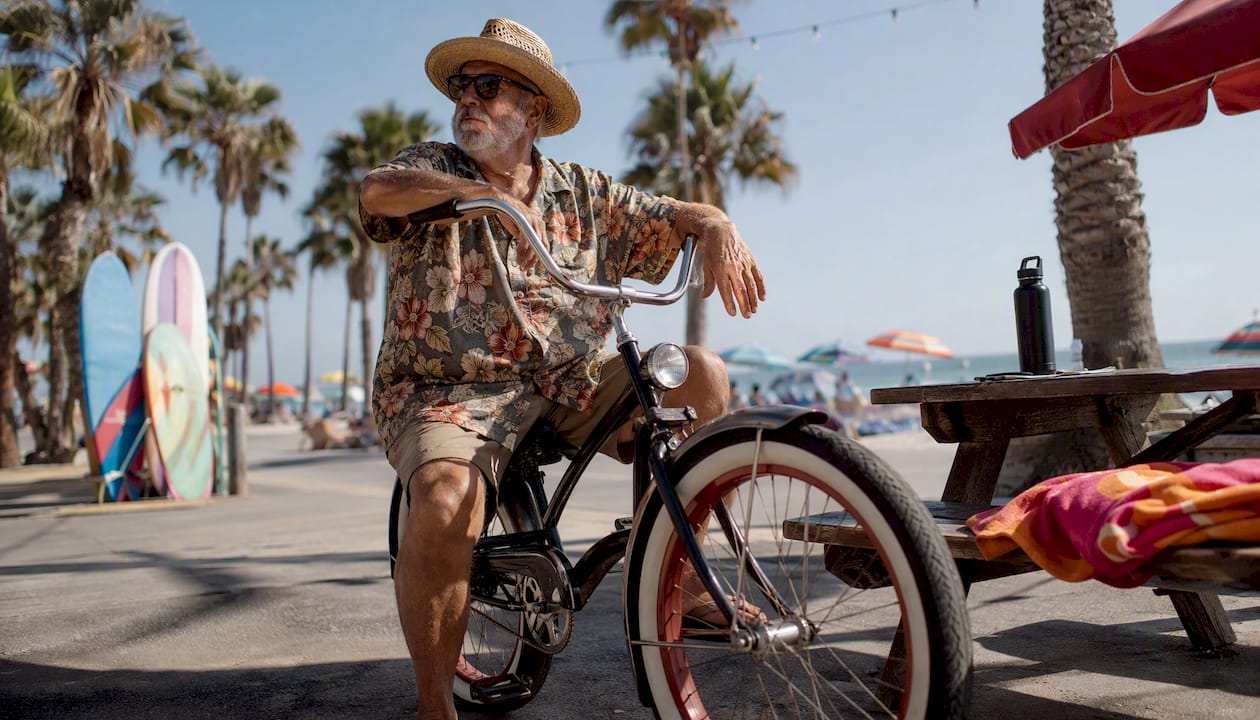
Best for: Flat beach paths, short leisure loops, casual social rides
Comfort features to look for: Wide balloon tires (2.0–2.4 inches), swept-back handlebars, plush saddle, coaster or simple hand brakes, single-speed or 3-speed gearing
Typical price range: Entry $300–$500 / Mid $500–$900 / Premium $900+
Cruisers are not the right pick for hilly terrain or longer distances. On flat ground, though, few bikes feel as natural.
City, Dutch, and step-through bikes
City bikes prioritize practicality. They typically come with fenders, a rear rack, and integrated lights already installed — no retrofitting needed. Dutch-style bikes add a fully enclosed chain case and sometimes an internal gear hub, which means almost zero drivetrain maintenance. Step-through frames (where the top tube is low or absent) make mounting and dismounting easy, which matters more than most buyers expect, especially on stop-and-go urban routes.
The Univega USA Weekend Voyage 2.0 Step-Thru is a solid U.S.-assembled example: dual disc brakes, a Shimano Altus 8-speed derailleur, and a lightweight aluminum fork give it more stopping power and gear range than a basic cruiser, while the step-through geometry keeps it accessible.
Best for: Urban errands, riders with mobility considerations, short commutes combined with leisure rides
Typical price range: Entry $400–$700 / Mid $700–$1,400 / Premium $1,400+
Folding bikes
A folding bike solves one problem very specifically: storage and transport. If you live in an apartment, take the subway, or want to throw a bike in the trunk of a car, a folder makes that possible. The trade-off is a slightly different ride feel due to smaller wheels (typically 16–20 inches), and most folders top out at mid-range gearing. For short leisure rides and urban use, that trade-off is minor.
Best for: Apartment living, multimodal commutes, travel, limited storage
Typical price range: Entry $300–$600 / Mid $600–$1,200 / Premium $1,500+
Gravel and adventure bikes
Gravel bikes look like road bikes but run wider tires with more tread, and their geometry is slightly more relaxed. They handle paved roads, gravel paths, and packed dirt trails with equal confidence. For leisure riders who want to explore rail-to-trail networks, forest service roads, or mixed-surface weekend routes, a gravel bike opens up terrain that a hybrid or cruiser cannot handle comfortably.
Best for: Rail trails, gravel paths, mixed-surface weekend exploration
Typical price range: Entry $700–$1,100 / Mid $1,100–$2,500 / Premium $2,500+
Electric-assist bikes
E-bikes are available in hybrid, cruiser, city, folding, and gravel configurations, so “e-bike” is really a power system layered onto any of the above categories. The Specialized Sirrus X 2.0 illustrates how a fitness-hybrid platform can be built for comfort and efficiency across pavement and dirt — add pedal assist to that kind of platform and you have a leisure bike that handles longer or hillier rides without demanding extra fitness.
Best for: Hillier routes, longer distances, riders returning to cycling, anyone who wants to arrive fresh
Typical price range: Entry $1,000–$2,000 / Mid $2,000–$4,000 / Premium $4,000+
Comparison table: leisure bike types at a glance
| Bike Type | Best For | Terrain | Comfort/Posture | Key Features | Price Range | Storage/Transport |
|---|---|---|---|---|---|---|
| Hybrid | Mixed surfaces, 10–25 mile rides | Pavement + light gravel | Upright, neutral | 32–45mm tires, flat bars, mounts | $350–$1,200+ | Standard; fits most racks |
| Cruiser | Flat, relaxed short rides | Flat pavement, boardwalks | Very upright, low saddle | Balloon tires, swept bars, plush saddle | $300–$900+ | Standard; bulky frame |
| City/Step-through | Urban errands, easy mounting | Paved streets | Upright | Built-in fenders, rack, lights | $400–$1,400+ | Standard; heavy |
| Folding | Apartments, transit, travel | Pavement, light paths | Upright (smaller wheels) | Compact fold, lighter weight | $300–$1,500+ | Folds flat; fits in trunk |
| Gravel/Adventure | Mixed terrain, trail exploration | Pavement + gravel + dirt | Slightly forward | Wide tires, drop or flare bars | $700–$2,500+ | Standard |
| E-Bike | Hills, longer rides, low effort | Varies by base platform | Varies by platform | Motor, battery, pedal assist | $1,000–$4,000+ | Heavier; check weight |
Pro Tip: For most leisure riders, 32–45mm tires hit the sweet spot between cushioning and rolling speed. Go narrower and you feel every crack in the pavement; go wider and the bike gets sluggish on smooth paths. When in doubt, pick the wider end of that range.
How do you choose the right leisure bike for your needs?
Picking the right bike comes down to five questions answered in order. Skip one and you risk buying something that sits in the garage.
The decision checklist
- Define your primary terrain. Smooth pavement favors hybrids and cruisers with slick tires. Match the bike platform to where you actually ride most, not where you wish you rode. Gravel and packed dirt call for wider, more aggressive tires.
- Estimate your typical ride distance. Short rides under 5 miles? A single-speed cruiser or city bike works fine. Rides in the 10–25 mile range benefit from a multi-speed drivetrain (7–8 speeds or more); this helps prevent muscle fatigue on routes with even gentle climbs, which matters more than most first-time buyers expect.
- Decide on storage and transport. No garage or car? A folding bike or a lighter step-through may be the only practical option. If you have space and a car rack, a standard frame opens up more choices.
- Set a realistic budget, including maintenance. Entry-level bikes need more frequent tune-ups. A mid-range bike ($600–$1,200) typically comes with better components that hold adjustments longer. Budget an additional $50–$100 per year for basic upkeep on a non-electric bike.
- Decide on electric assist. If hills are part of your route or you want to ride longer without training for it, an e-bike is worth the higher upfront cost. If your rides are flat and short, a standard bike keeps things simpler and lighter.
What to check on a test ride
Before you buy, spend at least 5–10 minutes on the bike. Run through these checks:
- Handlebar reach: Your arms should have a slight bend, not be fully extended or cramped
- Saddle height: Legs should have a slight bend at the bottom of the pedal stroke, not fully locked out
- Saddle comfort: Five minutes on a narrow saddle tells you everything — a leisure bike should feel comfortable immediately, not “after break-in”
- Mounting and dismounting: Can you get on and off smoothly? Step-through frames make this noticeably easier
- Stability at low speeds: Wobble at 5 mph is a fit or geometry issue, not a skill issue
- Brake reach: Both brake levers should be reachable without stretching your fingers
- Gear shifting: Run through all the gears; hesitation or skipping means the drivetrain needs adjustment before you leave the shop
Red flags to walk away from
A narrow racing saddle on a “leisure” bike is a mismatch — it will be uncomfortable within a mile. Excessive forward lean (chest parallel to the ground) belongs on a road race bike, not a casual rider’s weekend machine. Missing rack and fender mounts are a problem if you ever want to carry anything or ride in light rain. Retrofitting mounts after purchase is often costly and sometimes impossible, so check for them before you commit.
What do leisure riders need to know about e-bikes?
E-bikes are often the single best choice for riders who want longer, hillier, or less strenuous leisure rides. A well-integrated pedal-assist system turns a 10–15 mile ride into an easy afternoon outing without requiring extra training or fitness preparation. That changes the calculus for a lot of buyers who assumed cycling was too demanding.
U.S. e-bike classes explained
The U.S. uses a three-class system that determines where you can ride and how fast the motor assists:
- Class 1: Pedal-assist only, motor cuts off at 20 mph. Allowed on most bike paths and trails that permit bikes.
- Class 2: Throttle-assist available (motor works without pedaling), also limited to 20 mph. Some trails restrict Class 2.
- Class 3: Pedal-assist only, cuts off at 28 mph. Generally restricted to roads and bike lanes; many shared paths prohibit them.
For leisure riding on paved paths and rail trails, Class 1 is the most universally permitted option. Always check local trail rules before assuming any class is allowed — regulations vary by state and municipality.
Realistic battery range for leisure scenarios
Manufacturer range figures assume ideal conditions. In practice, subtract 20–30% from the advertised range to get a realistic estimate for your rides.
| Ride Scenario | Advertised Range (Typical) | Realistic Estimate | Key Variables |
|---|---|---|---|
| Short errands (under 5 miles) | 20 miles | 15–30 miles | Mostly flat, low assist |
| Medium leisure ride (10–25 miles) | 30–60 miles | 32–45 miles | Mixed terrain, medium assist |
| Longer excursion (25 miles) | 50–80 miles | 35–60 miles | Hilly, high assist, heavier rider |
Rider weight, assist level, and elevation gain are the three biggest variables. A heavier rider on high assist on a hilly route will drain a battery roughly twice as fast as a lighter rider on low assist on flat ground.
Hub motor vs. mid-drive: which fits leisure riding?
Motor placement affects handling, maintenance, and climbing performance. Hub motors (mounted in the front or rear wheel) are simpler, cheaper to service, and common on cruiser and city e-bikes. Mid-drive motors (mounted at the crank) distribute weight more centrally, work better on hills, and feel more natural when pedaling — but they cost more and put more wear on the drivetrain.
For flat to moderately hilly leisure riding, a rear hub motor is usually sufficient and easier to live with. Mid-drive makes more sense if your routes include sustained climbs.
Pro Tip: Check the battery warranty before you buy. Most quality e-bike batteries carry a 2-year warranty; some brands offer up to 3 years. Charge the battery to around 80% for regular storage rather than leaving it at 100%, and avoid letting it drop to zero regularly. These habits extend cell life noticeably over a few years of ownership. For a deeper look at e-bike specs and trade-offs, the e-bike buying guide at Importjunkies covers motor types and battery care in detail.
What does a leisure bike actually cost, and what maintenance does it need?
Price ranges by category
- Cruiser/comfort: $300–$500 entry, $500–$900 mid, $900+ premium
- Hybrid: $350–$600 entry, $600–$1,200 mid, $1,200+ premium
- City/step-through: $400–$700 entry, $700–$1,400 mid, $1,400+ premium
- Folding: $300–$600 entry, $600–$1,200 mid, $1,500+ premium
- Gravel/adventure: $700–$1,100 entry, $1,100–$2,500 mid, $2,500+ premium
- E-bike (any style): $1,000–$2,000 entry, $2,000–$4,000 mid, $4,000+ premium
- E-bike battery replacement: Typically $300–$800 depending on capacity and brand, usually needed after 3–5 years of regular use
Comfort features like ergonomic grips, an adjustable stem, and wider tires add more long-term riding enjoyment than upgrading to a higher-end drivetrain. Spend your budget on fit and comfort first.
Basic maintenance schedule
- Before every ride: Check tire pressure, squeeze both brakes to confirm they engage firmly, and spin the wheels to check for wobble.
- Monthly: Wipe down the chain and apply a light coat of chain lube; inspect brake pads for wear; check that all bolts are snug.
- Every 6 months: Clean the drivetrain thoroughly; inspect cables for fraying; check tire tread for wear or cracking.
- Annually: Full tune-up at a local shop (typically $60–$120); replace brake pads if worn; replace tires if tread is gone or sidewalls show cracking. For e-bikes, have the battery contacts and motor connections inspected at the same time.
Accessories worth buying from the start
- Padded saddle or saddle cover (if the stock saddle is too firm)
- Ergonomic lock-on grips
- Fenders (front and rear, if not already included)
- Rear rack or handlebar basket for carrying items
- Front and rear lights — visibility gear matters on any road or path
- U-lock (more secure than cable locks for parking)
- Floor pump with a pressure gauge
- Basic multi-tool (hex keys, screwdriver)
Key Takeaways
For most leisure riders, the hybrid is the most versatile starting point, but terrain, storage needs, and whether you want electric assist should drive the final call.
| Point | Details |
|---|---|
| Hybrid for versatility | Hybrids handle mixed surfaces and moderate-distance rides better than many other leisure bike categories. |
| Cruiser for simplicity | Flat routes and shorter rides are where cruisers shine — minimal gearing, maximum comfort, low barrier to entry. |
| E-bike for range and hills | Pedal-assist turns longer or hillier leisure rides into easier outings; real-world battery range is typically less than advertised. |
| Fit beats features | Ergonomic grips, an upright geometry, and moderate-width tires add more enjoyment than premium drivetrain components for casual riders. |
| Importjunkies for electric options | Importjunkies carries electric-assist bikes and broader recreational electric vehicles at direct-to-consumer pricing, a practical starting point for riders ready to browse. |
The bike type most buyers overlook
Most first-time leisure buyers walk into a shop focused on the wrong thing. They compare gear counts, frame materials, and brand names — and they ignore the two factors that actually determine whether a bike gets ridden: fit and mounting points.
A bike that puts you in a slightly forward lean feels fine for 10 minutes in a parking lot. After 45 minutes on a trail, that same posture becomes a reason to cut the ride short. The riders who end up with money parked in the garage are almost always the ones who prioritized specs over comfort geometry.
The second overlooked factor is mounts. Choosing a frame with rack, fender, and light mounts built in is not a minor detail — it is the difference between a bike you can actually use for errands and one that stays a pure leisure machine. Retrofitting mounts is often costly and sometimes structurally impossible, so check for them before you buy, even if you have no immediate plans to add accessories.
On e-bikes specifically: the class system matters more than most buyers realize. A Class 3 e-bike is faster, but it is restricted from many shared paths and rail trails — exactly the places most leisure riders want to go. Class 1 is the safer default for anyone whose rides will include multi-use paths. Read the local rules for your specific trails before you decide.
One more thing worth saying plainly: an e-bike does not make you less of a cyclist. It makes you a rider who shows up more often, goes farther, and enjoys the ride more consistently. That is the point.
Ready to browse electric leisure bikes at direct-to-consumer pricing?
Importjunkies carries a range of electric-assist bikes and recreational electric vehicles, sold directly to the public at wholesale pricing — no dealership markup, no middleman. If you have read through the categories above and an e-bike is where you are landing, the 500W electric pedal-assist bike in the Importjunkies catalog is a concrete place to start. The listings include full specs, images, and pricing so you can compare models without guesswork.
For riders curious about broader electric mobility options beyond a standard bike frame, Importjunkies also carries electric golf carts, utility vehicles, and specialty recreational vehicles. Browse the full catalog at importjunkies.com and use the product detail pages to compare specs side by side. If you have questions about a specific model, the customer service team is reachable directly through the site.
Useful sources and further reading
These resources cover sizing, terrain matching, e-bike regulations, and maintenance in more depth:
- REI Expert Advice: How to Choose a Bike — REI’s surface-based decision chart maps terrain type to bike category; useful if you are still narrowing down your riding environment.
- Bicycling: The Different Types of Bikes, Explained — Covers motor placement, e-bike classes, and how different bike platforms handle real-world riding conditions.
- Bicycling: Best Hybrid Bikes — Terrain-specific hybrid guidance from editors who test bikes regularly; good for narrowing down within the hybrid category.
- Importjunkies: How to Compare E-Bike Models — Step-by-step guide to evaluating e-bike specs, motor types, and range claims before you buy.
- GoKarts USA: Safety Gear for Outdoor Vehicles — Helmets, lights, and protective gear recommendations that apply directly to leisure riders on e-bikes and standard bikes.
Recommended
- Electric bike buying guide: find the right e-bike for your ride – Saferwholesale || Import Junkies || Great Sports
- Best Electric Trikes for Adults to Buy Now – Saferwholesale || Import Junkies || Great Sports
- How to compare scooters: a step-by-step guide to smart choices – Saferwholesale || Import Junkies || Great Sports
- Best Electric Moped for Commuting – Saferwholesale || Import Junkies || Great Sports


