


 Location
 Login
Login
Run a quick check every 50 to 100 hours, a deeper service at 300 to 500 hours, and swap your oil and filter approximately every 100 hours, six months, or 1,000 miles, whichever comes first. Change the oil at break-in, after about twenty to twenty-five hours, and follow your owner’s manual for exact specs. If you ride hard through mud, dust, or heavy towing, cut every one of those intervals shorter.
TL;DR:
- Regular oil and filter changes are necessary every 100 hours, 6 months, or 1,000 miles, with earlier changes recommended if riding conditions are harsh.
- A quick 50 to 100-hour check includes inspecting oil, air filters, belts, brakes, tires, and greasing fittings to prevent costly repairs.
- Seasonal maintenance involves testing and adjusting systems like cooling, electrical, and suspension components to prevent slow, long-term damage.
- The first oil change at around 20 to 25 hours during break-in is critical to remove debris and settle fasteners.
- Keeping detailed logs, monitoring hours, and maintaining a spare parts kit prolongs UTV lifespan and reduces downtime.
Table of Contents
- What Is the Recommended UTV Maintenance Schedule?
- What Should You Check Every 50 to 100 Hours?
- How Does UTV Maintenance Change by Season?
- Component by Component: What to Inspect and When
- Why Does the Break-In Service Matter So Much?
- How Should You Track Hours and Log Service?
- Three Habits That Actually Keep a UTV Running
- Where to Get Parts and Backup Vehicles for Your UTV
- Sources
What Is the Recommended UTV Maintenance Schedule?
Your owner’s manual is the final word on torque specs, fluid types, and factory-recommended intervals. But the pattern holds across almost every make and model, and it breaks down into three tiers you can copy straight into a log.
- Every 50 to 100 hours: A quick routine check. Lean toward the 50-hour end if you plow, tow, or ride in heavy dust.
- Every 300 to 500 hours: A deeper service, including valve checks, a brake system overhaul, and a full drivetrain inspection.
- Every 100 hours, 6 months, or 1,000 miles (whichever hits first): Oil and oil filter change, with the very first change happening at break-in, around 20 to 25 hours.
- Transmission, differential, and CVT/front-drive fluids: Check at every deeper service interval and change per your manual’s schedule, since contaminated gear oil wears components fast without any obvious warning sign.
That “whichever comes first” rule matters more than it sounds like it should. A UTV that sits mostly idle for six months but only logs 40 hours still needs that oil change on the calendar date, not the hour meter.
What Should You Check Every 50 to 100 Hours?
This is the interval that keeps small problems from becoming expensive ones. Budget 20 to 60 minutes and work through it in order.
- Check oil level and color. Top off if low, and note any milky or gritty appearance.
- Inspect the air filter. Clean or replace it depending on the media type and how dirty it looks.
- Check the CVT/drive belt, chain tension, sprockets, and clutches for cracking, glazing, or slack.
- Measure brake pad thickness and check brake fluid clarity. Follow with a tire pressure and wheel bearing check.
- Grease every fitting and scan for loose hardware, fasteners, or fresh leaks under the machine.
Skipping this window is how a $40 belt turns into a $400 clutch replacement. Fifty hours goes by faster than most owners think, especially on a machine used for regular property work.
How Does UTV Maintenance Change by Season?
Hours matter, but the calendar shapes what you actually do at each interval. A seasonal approach keeps you from getting caught off guard by problems that build slowly over months, not hours.
- Spring: Full inspection top to bottom. Change the oil if it sat all winter on old fluid, test the battery, check brakes, and look inside the airbox for rodent damage.
- Summer: Tighten your checks on the air filter, cooling system, and grease points. High heat and dust load these systems faster, so check tires more often too.
- Fall: Finish any heavy servicing before storage season, and check lights and electrical connections while the weather still cooperates.
- Winter storage: Stabilize the fuel, change the oil before parking it, hook up a battery tender, get the tires off the ground or properly inflated, and cover the machine against rodents.
Pro Tip: After any muddy or wet ride, rinse the machine, dry it fully, and re-grease pivot points before you park it. Trapped moisture under grime is a slow, quiet path to rust and corroded electrical connectors.
Component by Component: What to Inspect and When
Each system on your UTV wears on its own timeline, and knowing the specific signs saves you from guessing.
- Engine oil and filter: A proper change means fresh oil and a new filter, not a top-off. The first change happens at break-in, around 20 to 25 hours, which flushes out factory assembly debris. Dark, gritty oil past its interval signals it’s overdue.
- Air filter: Paper elements get replaced once they look dark or clogged. Never wash a paper filter with water; it destroys the media. Foam filters can be cleaned and re-oiled following the manufacturer’s process.
- CVT/drive belt: Watch for glazing (a shiny, slick surface) and cracking along the edges. Replace at the manufacturer’s stated interval or sooner if you haul heavy loads regularly.
- Transmission and differential fluid: Check color and clarity at each deeper service; discoloration or a burnt smell means contamination.
- Brakes: Measure pad thickness against your manual’s wear limit and inspect rotors for grooving. Cloudy or dark brake fluid needs a flush.
- Cooling system: Clean radiator fins of debris, check coolant level before and after rides, and plan a full coolant replacement on a multiyear cadence per your manual.
- Battery: Check voltage regularly and use a smart tender during any storage period longer than a few weeks.
- Tires and bearings: Stay within your manual’s pressure range, inspect tread wear patterns, and check wheel bearings for play or noise.
- Suspension: Grease all points, inspect shocks for oil leaks, and torque-check ROPS bolts and other structural fasteners.
Most of this is squarely DIY territory. Oil changes, filter swaps, and visual inspections don’t require a shop. Valve adjustments and full brake overhauls are still doable at home, but plenty of owners hand those off to save time.
Why Does the Break-In Service Matter So Much?
Your first oil change at 20 to 25 hours isn’t optional busywork. It flushes out metal shavings and assembly debris left over from manufacturing, and it comes paired with a full torque check on fasteners that settle during initial use.
Beyond break-in, some symptoms mean stop riding and inspect immediately:
- Any visible fluid leak, no matter how small
- Unusual grinding, knocking, or squealing noises
- Smoke from the engine bay or exhaust
- A sudden loss of power or acceleration
- Burning smells, especially electrical or brake odor
- Any dashboard warning light staying lit
A quick visual check and a sniff test handle most triage. If the problem involves the engine internals, brakes, or anything electrical you can’t trace yourself, that’s the point to call a professional rather than keep riding.
How Should You Track Hours and Log Service?
Hours reflect actual workload better than miles do, since low-speed plowing or towing stresses an engine hard without racking up distance. Use your dash-mounted hour meter as the primary reference, and shorten intervals whenever you’re running in mud, extreme dust, or sustained heat.
- Track hours, not just miles, using the built-in meter, and adjust intervals down for severe use.
- Log every service with the date, hours or miles, what you did, parts used, and the next interval due.
- Keep it simple: a paper logbook, a notes app template, or a spreadsheet all work, as long as you actually update it.
A documented log also pays off at resale. Buyers trust a dated service history far more than a verbal “it’s been well maintained.”
Three Habits That Actually Keep a UTV Running
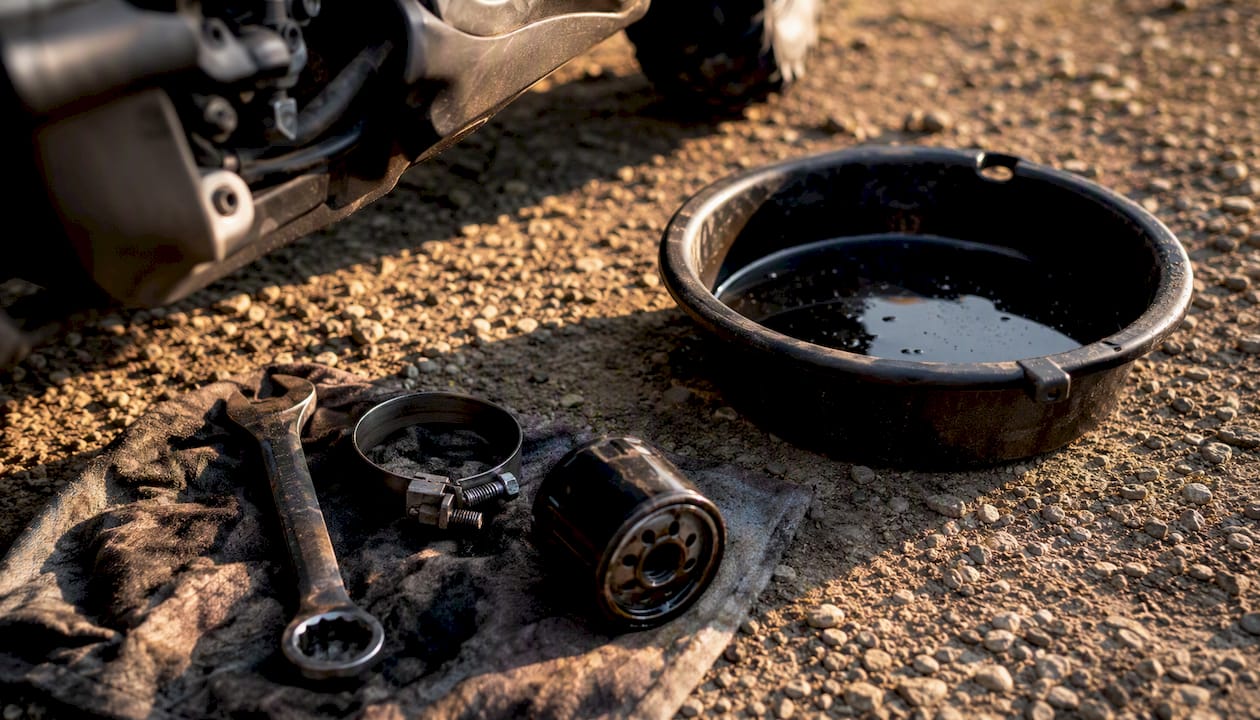
Consistency beats intensity every time. A machine that gets a real 15 minute check every 50 hours will outlast one that only gets attention after something breaks, regardless of engine size or price tag.
Keep a small spare-parts kit on hand: an extra oil filter, a spare belt, basic fasteners, and a battery tender for the off season. It turns a roadside annoyance into a five-minute fix.
For printable checklists and parts to build that kit, our utility vehicle maintenance guide is a solid next stop.
— Gary
Where to Get Parts and Backup Vehicles for Your UTV
Importjunkies gets you the parts and backup machines that keep a maintenance schedule from turning into downtime, at direct-to-public pricing instead of dealer markup. If you’re staring down a belt that’s glazing over or a battery that won’t hold a charge through winter storage, waiting on a special order isn’t a plan.
Stock up now on the items that fail without much warning: oil filters, air filters, drive belts, and a battery tender for the off season. Always check part numbers against your owner’s manual before ordering, since fitment varies by model year even within the same product line. If you’re weighing whether it’s time to replace rather than repair, our 400cc 4x4 UTV with snow plow and other utility models are worth a look. Not sure a part fits your machine? Reach out to customer support with your model details before you check out, and they’ll help confirm fitment.
Sources
For deeper specs, check CarParts.com’s UTV service guide and JACO’s seasonal maintenance guide, then confirm every torque spec and fluid type against your owner’s manual.


