


 Location
 Login
Login
TL;DR:
- Off-road vehicles are specially designed to handle challenging terrains with features like high ground clearance and four-wheel drive. They provide unique outdoor experiences that enhance physical fitness, mental health, and social bonds, making them valuable for recreation and work. Proper vehicle selection, safety precautions, and community involvement are essential for enjoying off-roading responsibly and effectively.
Off-road vehicles are specialized machines built to handle terrain that would stop a standard car cold. Designed with features like high ground clearance, flexible suspension systems, and four-wheel drive, these vehicles open up landscapes that most people never get to experience up close. Whether you’re a family looking for a weekend adventure or an individual who wants to push past the pavement, understanding why off-road vehicles matter starts with knowing what they can actually do. This article covers the recreational benefits, technical differences, safety considerations, and practical uses that make off-road vehicles worth your attention.
Why off-road vehicles matter for outdoor recreation
Off-road vehicles, often called ORVs or powersports vehicles in the industry, deliver a category of outdoor experience that no hiking boot or road trip can replicate. They put you in direct contact with remote wilderness, riverbanks, mountain trails, and open desert in a way that is both physically engaging and mentally restorative. The benefits of off-road driving go well beyond the thrill of the ride.
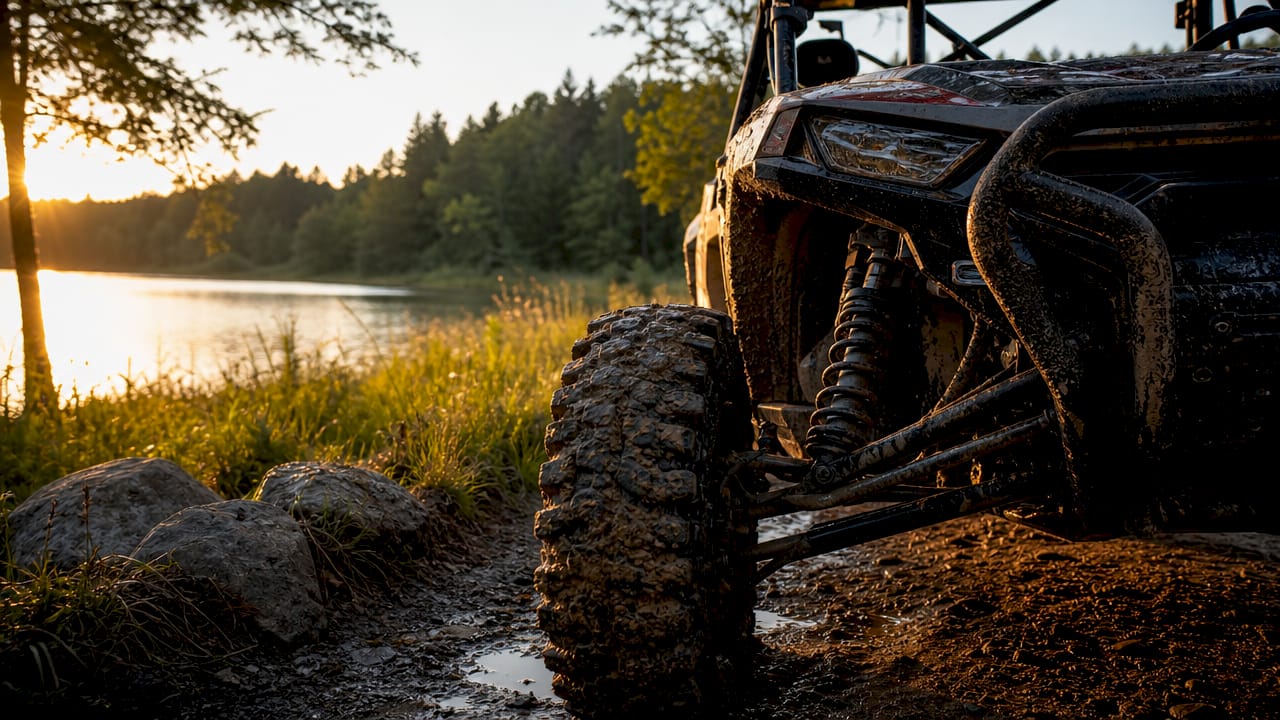
Physical fitness you don’t expect
ATV riding increases your breathing rate to about six times the normal resting rate, which qualifies it as genuine cardiovascular exercise. Your core, arms, and legs are constantly engaged as you manage steering, balance, and throttle control across uneven ground. That physical demand adds up over a two-hour trail ride in ways that a gym session rarely matches.
Mental health and stress relief
Time outdoors on a trail reduces cortisol levels and improves mood, and off-roading amplifies that effect by demanding your full attention. You cannot scroll your phone or replay work problems when you’re navigating a rocky switchback. That forced focus acts as a mental reset that many riders describe as more effective than passive outdoor activities like walking.
Social connection and community
Off-roading fosters teamwork through activities like spotting obstacles for other drivers and coordinating vehicle recovery, which builds a kind of trust that other motor hobbies rarely require. Off-road clubs across the U.S., from the BlueRibbon Coalition to regional ATV associations, organize group rides, trail maintenance days, and skills clinics. These communities give newcomers a structured entry point and give experienced riders a reason to keep showing up.
- Cardiovascular conditioning from sustained physical engagement
- Stress reduction through focused, present-moment activity
- Vitamin D exposure and fresh air from extended outdoor time
- Social bonding through group rides, clubs, and recovery teamwork
- Skill development that builds confidence in nature navigation
Pro Tip: If you’re new to off-roading, join a local club before buying a vehicle. You’ll get trail recommendations, safety guidance, and a chance to ride different vehicle types before committing to a purchase.
How do off-road vehicles differ from regular vehicles?
The gap between an off-road vehicle and a standard passenger car is not just about looks. It comes down to engineering decisions made specifically for rough terrain.
| Feature | Off-Road Vehicle | Standard Road Vehicle |
|---|---|---|
| Ground clearance | 8 to 12+ inches | 4 to 6 inches |
| Suspension travel | Long-travel, articulating | Short-travel, comfort-focused |
| Drivetrain | 4WD or AWD standard | FWD or RWD typical |
| Tires | Aggressive tread, reinforced sidewalls | Smooth tread, fuel-efficiency focused |
| Speed range | Low-speed precision, 5 to 30 mph on trails | Highway speeds, 60 to 80 mph |
Specialized features like flexible suspension, high ground clearance, and four-wheel drive allow ORVs to clear rocks, push through mud, and maintain traction on sand or loose gravel. A standard sedan loses traction and risks structural damage the moment it leaves a paved surface. Off-road vehicles are built with the opposite priority: terrain performance first, highway comfort second.
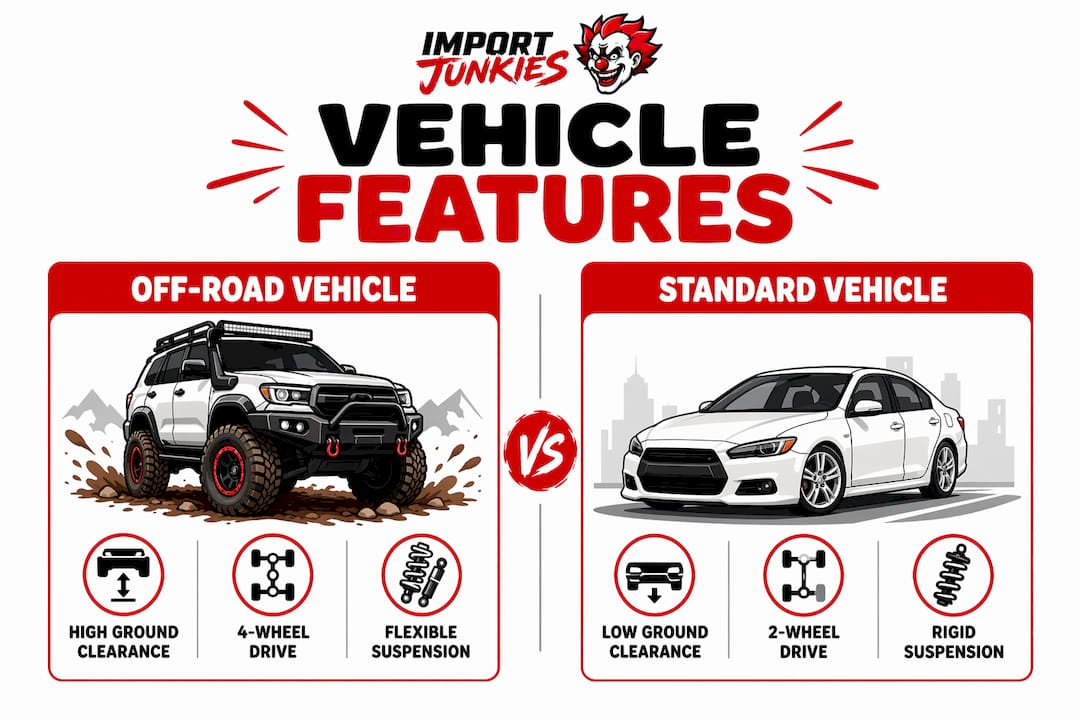
Technical off-roading rewards low-speed precision and careful vehicle control rather than raw power or speed. Experienced drivers often navigate challenging obstacles at speeds as low as 10 mph, relying on suspension articulation and tire grip rather than momentum. This is a common misconception beginners bring to their first trail: more throttle does not solve most off-road problems.
Vehicle types also vary widely. ATVs and UTVs handle single-track trails and open terrain. Utility trucks with dump beds serve work applications. Electric options like 48V golf cart UTVs suit families who want quieter, lower-maintenance rides on groomed trails or private property. Knowing which type fits your use case matters as much as knowing how to drive one.
Who can safely enjoy off-road driving?
Off-roading is not reserved for young, experienced drivers. Seniors aged 55 and older can safely participate by starting on beginner-rated trails and completing proper driving courses before tackling more difficult terrain. The key is matching the vehicle and trail difficulty to your current fitness level and experience, not to some idealized version of the sport.
Safe preparation follows a clear sequence:
- Choose the right vehicle. Beginners and families do well with UTVs or side-by-sides that offer roll cages, seat belts, and stable four-wheel platforms. Solo riders with more experience may prefer ATVs for their agility.
- Inspect your vehicle before every ride. Check tire pressure, brake function, fluid levels, and the spare tire carrier. Proper vehicle preparation directly reduces driver fatigue and prevents mechanical failures mid-trail.
- Select trails that match your skill level. Trail difficulty ratings exist for a reason. Starting on green or blue-rated trails gives you time to build technique without putting yourself in a recovery situation.
- Take a formal driving course. Organizations like the ATV Safety Institute offer hands-on training that covers throttle control, body positioning, and emergency procedures.
- Ride with others whenever possible. Solo off-roading removes your safety net. A second vehicle or a riding partner with recovery gear is standard practice on serious trails.
Pro Tip: Test your tolerance for vibration and physical impact on a short one-hour ride before committing to a full-day excursion. Continuous vibration from rough terrain accumulates and can cause fatigue or discomfort, especially for riders new to the activity.
What practical uses do off-road vehicles serve beyond recreation?
The importance of off-road vehicles extends well past weekend trail riding. These machines are working tools in multiple industries.
Off-road vehicles support farming, construction, and utility maintenance by providing access to remote and rough locations where standard trucks cannot operate efficiently. A utility ATV with a dump bed can move materials across a farm in a fraction of the time it takes on foot. Construction crews use them on large sites to transport tools and personnel between work zones. Utility companies rely on them for power line inspection and maintenance in areas without road access.
The economic scale of this activity is substantial. Outdoor recreation including off-roading drives a $1.3 trillion economic impact in the U.S., supporting jobs in manufacturing, retail, trail maintenance, and tourism. That figure reflects how deeply embedded off-road culture is in the American economy, not just as a hobby but as a driver of commerce across rural and suburban communities.
Responsible off-road use also supports public land access. Riders who follow Leave No Trace principles and participate in trail maintenance programs help preserve the public lands that make off-roading possible. Organizations like the Tread Lightly! program actively work with off-road communities to protect access while minimizing environmental impact.
How off-road vehicles enhance experiences for families and individuals
The most direct answer to why off-road vehicles matter for families is access. These vehicles open remote campsites, fishing spots, and hiking trailheads that are simply unreachable by road. A family with a capable UTV can reach a lakeside campsite five miles from the nearest parking lot, set up camp, and spend two days in genuine wilderness without the crowds that gather at road-accessible spots.
Beyond access, off-roading builds skills that transfer to broader outdoor confidence. Learning to read terrain, manage traction, and navigate without GPS signals develops spatial awareness and decision-making that children and adults carry into other outdoor activities. Parents who ride with their kids consistently report that the shared challenge of navigating a trail together creates stronger bonds than passive recreational activities.
- Remote campsite and trailhead access unavailable to standard vehicles
- Family bonding through shared challenges and problem-solving on the trail
- Skill development in terrain reading, navigation, and vehicle control
- Accessibility for varying fitness levels, since the vehicle handles the physical terrain
- Memorable experiences in locations most people never see
You can explore the full range of vehicle types to match your family’s specific needs before making any purchase decision. The right vehicle depends on where you plan to ride, how many people you’re bringing, and what level of terrain you want to tackle.
Key takeaways
Off-road vehicles matter because they combine physical fitness benefits, mental restoration, social connection, and genuine terrain access into a single activity that no other vehicle category delivers.
| Point | Details |
|---|---|
| Physical and mental benefits | ATV riding delivers cardiovascular exercise and forces focused attention that reduces stress. |
| Technical superiority on terrain | High ground clearance, 4WD, and long-travel suspension make ORVs capable where road vehicles fail. |
| Inclusive participation | Seniors and beginners can ride safely by starting on beginner trails and completing formal training. |
| Economic and practical impact | Off-road recreation contributes to a $1.3 trillion U.S. outdoor economy and supports multiple industries. |
| Family and adventure access | ORVs open remote locations for camping, fishing, and exploration that standard vehicles cannot reach. |
My take after years of watching people get into off-roading
People consistently underestimate how much the social side of off-roading matters. Most newcomers focus entirely on the vehicle specs and the trail ratings. What they don’t anticipate is that the best rides they’ll ever have are the ones where something goes slightly wrong and the group figures it out together. A stuck vehicle, a wrong turn, a creek crossing that looked easier on the map. Those moments are where the real value of off-roading lives.
I’ve also seen too many buyers purchase a vehicle that’s technically capable but wrong for their actual use case. A high-performance ATV sitting unused because the owner only has access to groomed trails is money sitting in the garage. The right match between vehicle capability and your realistic riding environment matters more than peak specs. Spend time understanding what recreational vehicle type fits your terrain and group size before you buy.
The safety point deserves more weight than most articles give it. Continuous vibration, physical fatigue, and terrain misjudgment are the real risks in off-roading, not dramatic crashes. Testing your tolerance on short rides, maintaining your vehicle properly, and riding with others are not optional precautions. They’re what separates people who enjoy this hobby for decades from those who have one bad experience and quit.
Off-roading done right is one of the most rewarding outdoor activities available to families and individuals in the U.S. Do it with the right vehicle, the right preparation, and the right people around you.
— Gary
Find the right off-road vehicle at Importjunkies
Importjunkies carries a direct-to-public selection of ATVs, UTVs, and utility vehicles built for the kind of riding this article describes. Whether you need a workhorse with a snow plow attachment or a family-friendly electric UTV for trail riding, the inventory covers a wide range of use cases at competitive wholesale pricing.

The MSA 300cc 4x4 ATV with Snow Plow is a strong starting point if you want four-wheel drive capability with year-round utility. For families who prefer a quieter, lower-maintenance option, the 48V Electric Golf Cart UTV seats four and handles groomed trails and private property with ease. Browse the full catalog at Importjunkies to compare specs, pricing, and availability before you commit.
FAQ
What makes off-road vehicles different from regular cars?
Off-road vehicles are built with high ground clearance, four-wheel drive, and long-travel suspension systems that allow them to handle rocks, mud, sand, and uneven terrain. Standard road vehicles lack these features and risk mechanical damage or loss of traction the moment they leave paved surfaces.
What are the health benefits of off-road driving?
ATV riding raises your breathing rate to approximately six times the resting rate, providing real cardiovascular exercise, while the focus required on the trail delivers measurable stress reduction. Core muscles, arms, and legs are all actively engaged throughout a typical ride.
Is off-roading safe for older adults and beginners?
Seniors aged 55 and older can safely participate in off-roading by starting on beginner-rated trails and completing a formal driving course before advancing to more difficult terrain. Proper vehicle selection and pre-ride maintenance checks are the two most important safety factors for any new rider.
What industries use off-road vehicles beyond recreation?
Farming, construction, and utility maintenance all rely on off-road vehicles to access remote locations and move equipment across rough terrain efficiently. These practical applications are part of why off-road vehicles contribute to a $1.3 trillion outdoor recreation economy in the U.S.
How do I choose the right off-road vehicle for my family?
Match the vehicle type to your terrain, group size, and experience level rather than buying based on peak performance specs. UTVs with roll cages and seat belts are the safest starting point for families, while solo riders with more experience may prefer the agility of a standard ATV.
Recommended
- Your guide to every type of off-road vehicle – Saferwholesale || Import Junkies || Great Sports
- What is an off-road utility truck? A guide for buyers – Saferwholesale || Import Junkies || Great Sports
- Types of Recreational Vehicles: Match Your Needs – Saferwholesale || Import Junkies || Great Sports
- What makes a good outdoor scooter: your 2026 buying guide – Saferwholesale || Import Junkies || Great Sports


