


 Location
 Login
Login
TL;DR:
- Buying an ATV involves selecting the right machine for your needs, conducting a thorough inspection, and budgeting for total ownership costs. Different categories like sport, utility, recreational, and youth ATVs serve distinct purposes, so choosing correctly is crucial to avoid overpaying or mismatched performance. Properly inspecting used ATVs and understanding additional expenses ensure a confident purchase aligned with your riding experience and budget.
Buying an ATV is the process of matching your riding needs to the right machine, inspecting its condition honestly, and budgeting for the full cost of ownership. Whether you’re looking at a new Polaris Sportsman, a used Honda FourTrax, or a utility-style Yamaha Grizzly, the purchase process follows the same core steps. Skip any one of them and you risk overpaying, buying a lemon, or ending up with a machine that doesn’t fit how you actually ride. This guide walks you through every stage of how to buy an ATV, from choosing the right type to signing the paperwork.
How to choose the right type of ATV for your needs
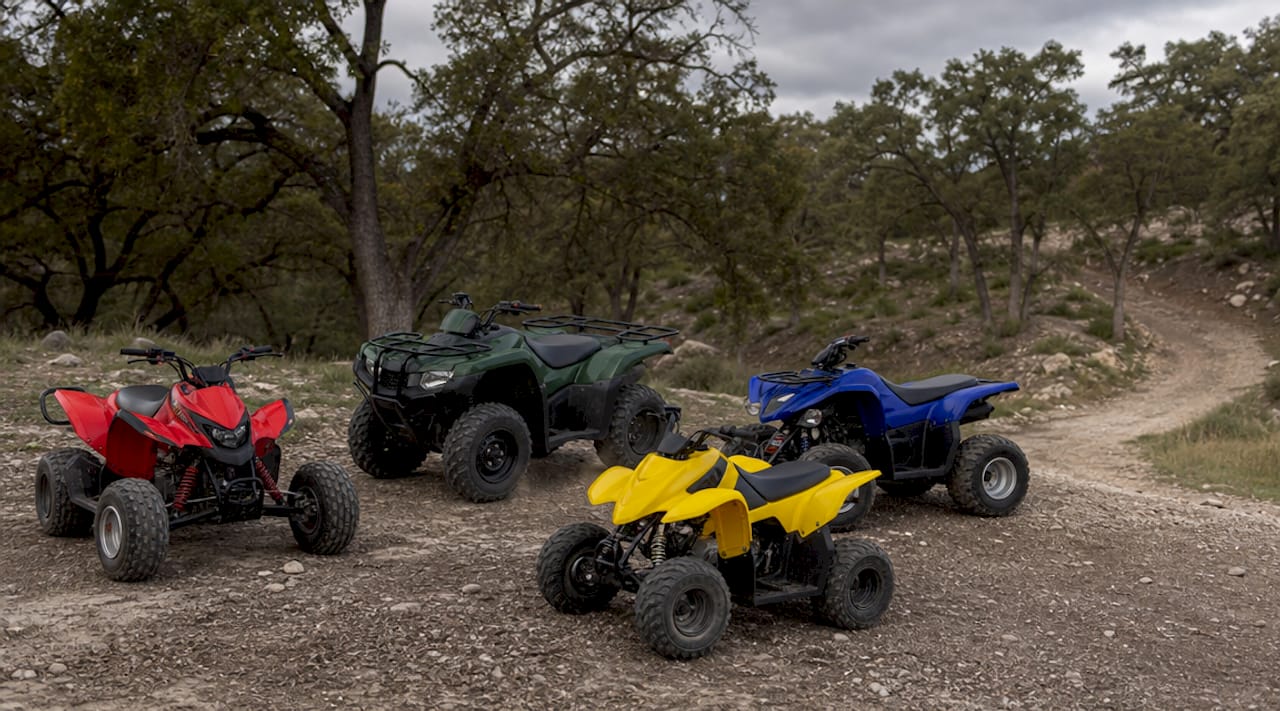
The ATV market breaks into four main categories: sport, utility, recreational, and youth. Each one is built for a different purpose, and buying the wrong category is one of the most common mistakes first-time buyers make.
Sport ATVs like the Yamaha YFZ450R are built for speed and agility on groomed trails or motocross tracks. They sit low, run high-revving engines, and sacrifice comfort for performance. Utility ATVs like the Polaris Sportsman 570 or Can-Am Outlander are designed for work. They carry cargo, tow trailers, and handle rough terrain without complaint. Recreational ATVs split the difference, offering enough power for trail riding without the aggressive ergonomics of a sport machine. Youth ATVs are purpose-built for riders under 16, with restricted throttle and smaller frames.
Matching the category to your terrain matters as much as matching it to your riding style. Two-wheel-drive ATVs are simpler and lighter for flat terrain, while four-wheel-drive models provide better control in rough and muddy environments. That difference alone can determine whether a machine is useful or frustrating on your property.
Engine size is the other variable that trips up new buyers. ATVs under 250cc are recommended for beginners, 300cc to 500cc models balance versatility for intermediate riders, and machines over 600cc are built for experienced riders handling heavy-duty use. Larger displacement engines offer more power but cost more to maintain and are harder to control when you’re still learning throttle management.
- Sport ATVs: best for tracks, groomed trails, and experienced riders
- Utility ATVs: best for farm work, hauling, towing, and rough terrain
- Recreational ATVs: best for trail riding, weekend use, and mixed terrain
- Youth ATVs: best for supervised riders under 16 with adjustable speed limiters
Pro Tip: If you’re buying your first ATV and plan to ride on mixed terrain, a mid-range utility model in the 300cc to 450cc range gives you the most flexibility without overwhelming you with power.
You can also check out every type of off-road vehicle on the Importjunkies blog if you’re still deciding between an ATV, UTV, or side-by-side before committing to a purchase.
How to inspect a used ATV before buying
Inspecting a used ATV correctly separates a smart purchase from an expensive mistake. Most buyers spend five minutes looking at the paint and miss the problems that cost real money. Follow this sequence every time.
- Frame and welds first. Frame inspection should check for stress fractures, uneven welds, and signs of previous damage or patching. A cracked frame is not a negotiating point. It is a reason to walk away.
- Pull the dipstick. Metal shavings in oil indicate internal engine wear and signal a mechanically unreliable machine. Milky or dark oil tells you the engine has been neglected or has a cooling system leak.
- Verify the VIN physically. The physically stamped VIN on the frame must match the title. Stickers alone are unreliable and can be swapped. A mismatch is a fraud signal, not a paperwork error.
- Demand a cold start. A cold start test exposes engine problems like ticking, hard starting, or rough idle that a warm engine hides. If the seller insists on warming it up first, that tells you something.
- Check tire wear patterns. Uneven tire wear is a primary indicator of front-end alignment issues or abuse, and it often leads to suspension repairs within six months of purchase.
- Compress the suspension by hand. Push down on each corner and listen for clunking. Worn shocks and bent A-arms are expensive to replace and easy to miss if you skip this step.
- Interview the seller. Sellers who know their maintenance schedules in detail tend to have better-cared-for machines. Vague answers about oil changes and service history are a warning sign.
| Inspection Area | What to Look For |
|---|---|
| Frame and welds | Cracks, uneven welds, signs of repair or patching |
| Engine oil | Metal shavings, milky color, or very dark contamination |
| VIN verification | Stamped frame VIN matches title exactly |
| Cold start behavior | Smooth idle, no ticking, starts without hesitation |
| Tire wear | Even wear across both front tires; no cupping or feathering |
Pro Tip: The best used ATV shows honest wear, not a suspiciously clean machine that was detailed right before the sale. A seller who just pressure-washed the engine bay may be hiding oil leaks.
What does an ATV actually cost to own?
The purchase price is only part of the number you need to budget. New ATVs from brands like Polaris, Honda, and Can-Am typically range from $5,000 to $15,000 depending on engine size and features. Used machines in good condition run from $2,500 to $8,000. But the sticker price is where the math starts, not where it ends.
Safety gear is mandatory and adds real cost upfront. A DOT-approved helmet, goggles, gloves, riding boots, and durable clothing can add $400 to $800 to your first-month expenses. That is not optional spending. It is the cost of riding safely.
Beyond gear, hidden maintenance and initial repairs on used machines often cause first-month ownership expenses to exceed expectations. Catch-up maintenance on a used ATV can include fresh fluids, new tires, a belt, brake pads, and a battery. Budget $300 to $600 for this even if the machine looks clean at purchase.
- Purchase price: $2,500 to $15,000 depending on new vs. used and model
- Safety gear: $400 to $800 for helmet, goggles, gloves, boots, and riding gear
- First-month maintenance: $300 to $600 for fluids, tires, belts, and brakes on used machines
- Accessories: $200 to $1,000 for racks, winches, tow hitches, or plow attachments
- Insurance and registration: varies by state, typically $100 to $400 annually
Financing is available for both new and used ATVs, including for buyers with credit challenges. Dealer financing through brands like Polaris or Can-Am often requires good credit, but specialty lenders and platforms cover buyers outside that range. If your credit score is a concern, read up on ATV financing options before you walk into a dealership so you know your position.
Pro Tip: Negotiate the out-the-door price, not the monthly payment. Dealers can stretch loan terms to make a high price look affordable. Focus on the total amount you’re paying, including fees and interest.
Step-by-step process for buying your ATV
A structured buying process protects you from impulse decisions and seller pressure. Follow these steps in order whether you’re buying new from a dealer or used from a private seller.
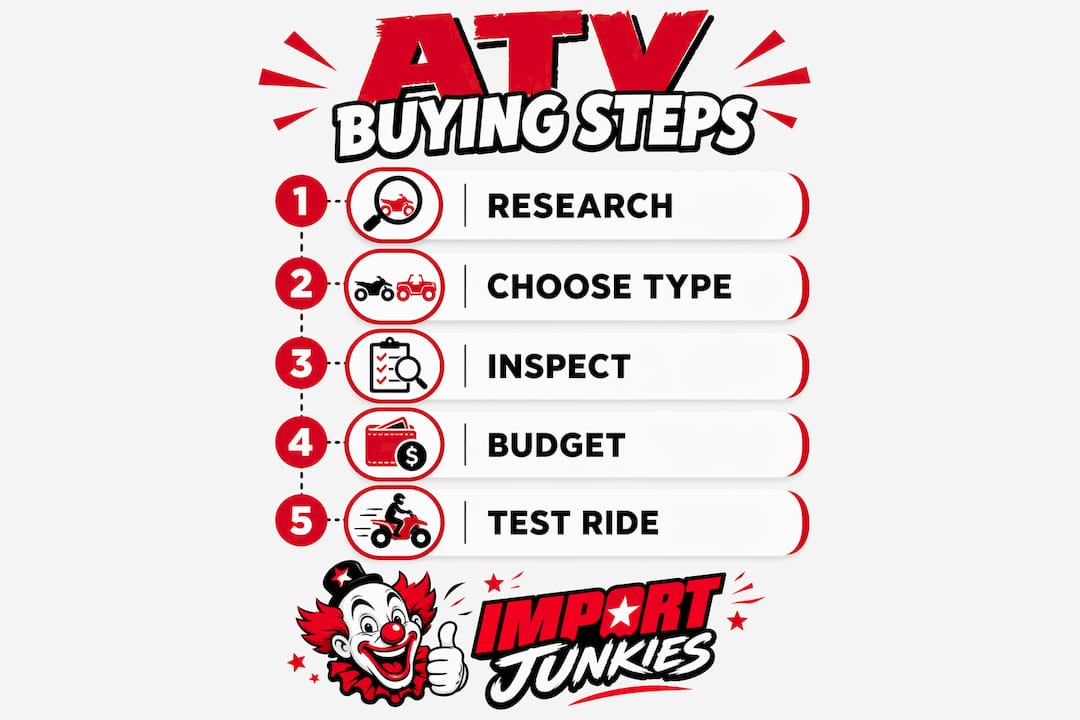
- Define your use case. Write down where you’ll ride, how often, and what tasks the ATV needs to handle. This single step eliminates half the models on the market before you start shopping.
- Set a total budget. Include purchase price, gear, first-month maintenance, and accessories. Knowing your ceiling prevents you from getting upsold at the dealership.
- Research models online. Use forums like ATVConnection and manufacturer websites to compare specs, known issues, and owner feedback on models you’re considering.
- Visit dealers and private sellers. See at least three machines before making any offer. Comparison shopping gives you price anchors and reveals what good condition actually looks like.
- Run the full inspection checklist. Use the steps from the inspection section above on every machine you seriously consider, not just the one you like best.
- Take a real test ride. Test rides must be long enough to evaluate throttle response, brakes, steering, transmission engagement, and chassis vibrations. A ten-second lap around a driveway tells you almost nothing.
- Verify all paperwork. Confirm the title is clean, the VIN matches, and there are no liens on the vehicle. A lien search through your state’s DMV takes minutes and can save you thousands.
- Make your offer and negotiate. Come in below asking price with a specific number backed by comparable listings. Sellers expect negotiation. Buyers who don’t negotiate leave money on the table.
- Complete the transaction securely. For private sales, use a bill of sale, pay by check or secure transfer, and transfer the title at your DMV within the required window.
| Step | Key Action | Common Mistake to Avoid |
|---|---|---|
| Research | Compare at least 3 models | Buying the first machine you test ride |
| Inspection | Full checklist on every candidate | Skipping inspection on “clean-looking” machines |
| Test ride | Varied terrain, minimum 15 minutes | Accepting a warm-up-only demonstration |
| Paperwork | Verify VIN, title, and lien status | Trusting a verbal ownership claim |
| Negotiation | Offer below asking with comparable data | Negotiating monthly payment instead of total price |
For buyers comparing ATVs to UTVs or side-by-sides, the 2026 UTV buyer’s guide on Importjunkies covers the features that matter most if you’re considering a larger machine.
Key takeaways
Buying an ATV successfully requires matching the machine to your use case, inspecting it thoroughly, and budgeting for the full cost of ownership before you sign anything.
| Point | Details |
|---|---|
| Match category to use | Sport, utility, recreational, and youth ATVs serve different purposes and terrains. |
| Inspect before every purchase | Check frame welds, oil condition, VIN, cold start, and tire wear on every machine. |
| Budget beyond the sticker price | Add gear, first-month maintenance, and accessories to your total ownership cost. |
| Negotiate the total price | Focus on out-the-door cost, not monthly payments, to avoid overpaying. |
| Verify all paperwork | Confirm the stamped VIN matches the title and check for liens before completing any transaction. |
What I’ve learned from watching buyers get this wrong
Most buyers I’ve seen regret their ATV purchase for one of two reasons. They bought more machine than they needed, or they skipped the inspection because the seller seemed trustworthy. Neither is a good reason to make a $5,000 mistake.
The engine size trap is real. A 700cc sport ATV sounds exciting until you’re white-knuckling it on a trail you’re not ready for. Smaller, well-maintained machines teach you to ride correctly and cost less when something needs fixing. Power is easy to add later. Confidence takes time.
On the used side, I’d take a machine with honest wear and a seller who can recite the oil change schedule over a suspiciously clean ATV with a vague ownership history every time. Sellers who care about their machines talk about them differently. They know the hours, the service dates, and what they replaced. That knowledge is worth more than a fresh wash and wax.
The other thing most buyers underestimate is the first 90 days of ownership. Even a well-maintained used ATV often needs $300 to $500 in catch-up work once you start riding it regularly. Budget for that before you buy, not after. It’s not a sign you made a bad purchase. It’s just the reality of used mechanical equipment.
— Gary
Ready to find your next ATV at Importjunkies?
Importjunkies carries a range of utility-style ATVs and UTVs built for buyers who want practical performance without overpaying.
The MSA 300cc 4x4 ATV with Snow Plow is a strong option for buyers who need four-wheel drive capability and year-round utility, including snow removal. For buyers who want more power and a dump bed, the 400cc 4x4 Snow Master VX delivers serious work capacity with recreational flexibility. Financing options are available, and Importjunkies sells direct to the public at wholesale pricing. Browse the full inventory and contact the team with any questions about specs, availability, or financing.
FAQ
What engine size should a beginner buy?
ATVs under 250cc are recommended for beginners because they are easier to control and less expensive to maintain. As your skills develop, stepping up to a 300cc to 500cc model gives you more versatility without the risk of a high-displacement machine.
Is it better to buy a new or used ATV?
Used ATVs offer significant savings but require a thorough inspection to avoid hidden mechanical problems. New ATVs come with manufacturer warranties and no wear history, making them lower risk but higher cost upfront.
What paperwork do I need when buying a used ATV?
You need a clean title with the VIN matching the physically stamped number on the frame, a bill of sale, and any available service records. Always run a lien check through your state’s DMV before completing the transaction.
How long should a test ride be?
A test ride should be long enough to evaluate throttle response, brakes, steering, and transmission on varied terrain. A short driveway lap is not sufficient. Aim for at least 15 minutes on terrain similar to where you plan to ride.
What hidden costs should I expect when buying an ATV?
Beyond the purchase price, budget for safety gear ($400 to $800), first-month maintenance on used machines ($300 to $600), accessories, and annual insurance and registration costs. These expenses are predictable if you plan for them before you buy.
Recommended
- What Is an ATV? Features, Types, and Uses Explained – Saferwholesale || Import Junkies || Great Sports
- Your guide to every type of off-road vehicle – Saferwholesale || Import Junkies || Great Sports
- How to buy electric scooters: 5 steps to avoid mistakes – Saferwholesale || Import Junkies || Great Sports
- News – Saferwholesale || Import Junkies || Great Sports


