


 Location
 Login
Login
Yes, a mini truck can be a genuinely capable off-road vehicle, but only once it’s set up correctly. The two things that matter most are 4WD with a low-range transfer case and a proper set of all-terrain tires, since stock rubber is the single biggest limiting factor on most trucks. Keep your expectations realistic: this is a lightweight utility platform for trails, mud, and ranch work, not a high-speed rock crawler.
TL;DR:
- A mini truck’s off-road capability largely depends on having 4WD with a low-range transfer case and all-terrain tires, with stock tires being the biggest limiting factor.
- Lightweight weight and narrow footprint help mini trucks float over soft terrain and navigate tight trails, but they struggle on rocky trails, steep climbs, and deep water crossings without proper modifications.
- Key upgrades include tires first, then protective skid plates and a moderate lift of 2 to 3 inches, with budget options ranging from around $600 to over $3,000 for comprehensive builds.
- Suspension and drivetrain modifications should be approached carefully, focusing on matching parts to avoid reliability issues, especially with increased lift angles.
- Proper recovery gear, legal compliance, and regular maintenance are essential for safety and performance during off-road use.
Table of Contents
- How Mini Trucks Perform Off-Road: Strengths and Realistic Limits
- Buyer Checklist: What to Look for Before You Buy
- High-Impact Upgrades and a Realistic Budget Roadmap
- Installation, Maintenance, and Staying Legal
- Import Junkies: Sourcing Trucks, Parts, and Real Help
- Suspension Types and Upgrades Specific to Mini Trucks
- Engine and Drivetrain Modifications for Off-Road Performance
- Essential Off-Road Driving Techniques for Mini Trucks
- Safety Gear and Accessories for Off-Road Mini Trucks
- What Actually Works in the Field
- How Import Junkies Can Get You Started
- Sources
How Mini Trucks Perform Off-Road: Strengths and Realistic Limits
A stock kei truck weighs roughly between 1,500 and 1,800 pounds, rides on modest ground clearance suitable for light terrain, and carries a payload rating adequate for small loads depending on the model. Those numbers look modest next to a full-size pickup, and that’s exactly the point. Weight works in your favor off-road far more often than people expect.
A lighter vehicle exerts less downward force per square inch, so it doesn’t sink into soft mud, loose sand, or snow the way a 5,000-pound truck does. Builders who work with these platforms regularly point out that a mini truck often floats over soft terrain where a heavier rig bogs down and digs itself a hole. Combine that with a narrow footprint and a tight turning radius, and you get a vehicle that threads through tree-choked trails a full-size truck can’t physically fit down.
Where mini trucks genuinely struggle:
- High-speed rocky trails that demand long-travel suspension and serious wheel articulation
- Heavy towing or hauling loads that exceed the stock payload rating
- Deep water crossings without protective mods (more on that shortly)
- Steep, loose climbs on stock all-season tires with no meaningful tread
Enthusiast build reports back this up. Modest kei truck builds, running little more than upgraded tires and a couple inches of lift, have completed technical routes like the Alpine Loop in Colorado without drama. That’s not a coincidence. It’s a direct result of low weight, a short wheelbase, and a build philosophy that prioritizes traction over horsepower. Kei trucks are light and compact, and the right upgrades turn them into genuinely capable off-road utility vehicles. This is the entire premise behind treating one as a serious trail rig instead of a farm toy.
Buyer Checklist: What to Look for Before You Buy
If you’re shopping listings, whether local or through an importer, run through this checklist before you hand over money. A cheap mini truck with the wrong drivetrain or a rotted frame costs you more in the long run than paying a bit extra for the right one up front.
- Confirm 4WD with a low-range transfer case. This is non-negotiable if off-road use is the goal. 4WD models with a hi/lo transfer case deliver noticeably better traction and hill-climb ability than RWD variants, and a locking rear differential is a genuine bonus if you can find one.
- Inspect the underbody for rust and frame damage. Kei trucks imported from wetter climates often show corrosion around the frame rails, fuel lines, and rear leaf spring mounts. A flashlight and a scraper during inspection will tell you more than any listing photo.
- Check suspension wear and look for a bent frame. Sagging leaf springs, uneven ride height side to side, or a frame that doesn’t sit square are red flags that point to prior abuse or an accident history.
- Evaluate the tire and wheel setup. Most factory trucks ride on 12-inch wheels, which limits your tire options considerably. Trucks that already run 13 or 14 inch wheels give you a head start on the upgrade path, since larger diameter opens the door to real all-terrain tread patterns.
- Understand the transmission type. A manual gearbox paired with 4WD low gives you the most control on technical terrain. CVT and automatic-equipped trucks are more comfortable for daily driving but transmit less feedback and can struggle with sustained low-range crawling.
- Look at bed size and mounting points. If you plan to add a winch, tool boxes, or a snow plow, the bed and frame need solid, accessible mounting points. Factory-built 4x4 work configurations, like dump-bed variants with selectable 4x4 and factory spec sheets, give you a useful benchmark for what a well-equipped truck should offer out of the box.
High-Impact Upgrades and a Realistic Budget Roadmap
The order you modify a mini truck in matters almost as much as which parts you buy. Spend your money in the wrong sequence and you’ll pay twice: once for the mod, again to fix the problem it exposed.
Start with tires. Swapping stock all-season rubber for real all-terrain or mud-terrain tires on appropriately sized wheels is the single highest-impact change you can make, and it’s not close. The sensible build order puts traction first, protection second, and recovery gear third, which lines up with what most experienced builders will tell you if you ask.
Add cheap insurance next. A differential breather extension costs roughly $5 to $15 and keeps water from getting sucked into your diff housing during creek crossings or deep mud. It’s one of the least glamorous mods you can buy and one of the most overlooked. Pair it with basic LED driving lights, which run somewhere in the $50 to $150 range for a decent light bar or pod set, and you’ve covered two of the cheapest, highest-value bases in the entire build.
Then lift it. A 2 to 3 inch lift kit combined with slightly larger wheels, typically 13 to 14 inches, brings ground clearance from the stock 6 to 7 inches up to around 8 to 9 inches. That’s enough to clear most trail obstacles that would otherwise scrape your skid plates or bumper.
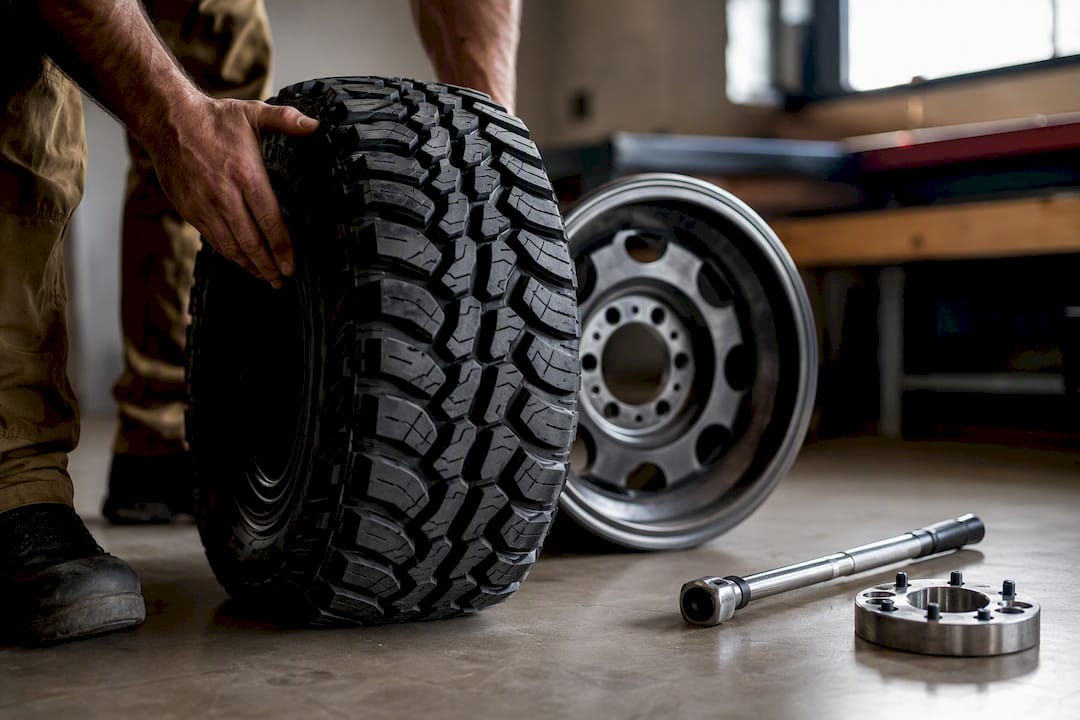
Protect what you just built. Oil pan, transmission, and fuel tank skid plates guard against the rocks and stumps a lifted, higher-clearance truck will now be driving over. A modest 2,500 to 3,500 pound winch rounds out the recovery side for a vehicle this light.
Save the specialty gear for later. Snorkels, locking differentials, and heavy-duty suspension components are real upgrades, but they solve specific problems. Don’t buy a snorkel if you’re not doing regular deep water crossings.
Pro Tip: A 2 to 3 inch lift is close to the practical ceiling for most mini trucks without touching the driveline or steering geometry. Go bigger than that and you start inviting reliability headaches that cost more than the lift itself.
Budget bands break down roughly like this:
- Basic build: $600 to $1,200 covers tires, a differential breather, and lighting
- Mid-level build: $1,500 to $2,500 adds a lift kit, wheels, and skid plates
- Serious build: $3,000 and up brings in a winch, locking diffs, and specialty suspension work
Following this order matters because tires, breathers, lighting, a lift, skid plates, and a winch, tackled in that sequence, keep a complete off-road build commonly under $2,500. Skip ahead to a winch before you’ve solved traction, and you’re spending money on recovery gear you’ll need more often than you should.
Installation, Maintenance, and Staying Legal
Some of these mods are weekend-driveway jobs. Others need a lift and a torque wrench calibrated properly, not guessed at.
Tires, differential breathers, and LED lighting are reasonable DIY projects for anyone comfortable with basic hand tools and a jack. Lift kits, driveline modifications, winch wiring, and post-lift alignment work belong with a shop that has experience on small trucks specifically, since geometry mistakes on a short-wheelbase vehicle show up fast as vibration, uneven tire wear, or premature CV joint failure.
After any off-road outing, run through a short checklist before you park it: recheck wheel alignment if you’ve hit anything hard, inspect driveline angles for excess vibration, look over the brakes for mud packed into the calipers, and retorque suspension and skid plate fasteners that vibration tends to loosen over time.
Recovery gear deserves the same attention as the mods themselves. A winch is only as good as what’s attached to it, so use rated shackles, a quality snatch strap, and proper recovery points bolted to the frame rather than a random tow hook. Pro Tip: Never attach a strap to a factory tie-down loop that wasn’t rated for recovery, since those bend or shear under load exactly when you need them most.
One quick legal note: street-legal status and registration rules for mini trucks vary considerably by state, covering everything from lighting requirements to speed restrictions. Check with your local DMV, and lean on resources like KORA USA’s owner advocacy network for state-specific registration guidance before you assume your build is road-ready.
Import Junkies: Sourcing Trucks, Parts, and Real Help
Import Junkies has spent years selling directly to people who actually use this gear, not just browse it. That’s the difference between a catalog written by a marketing team and one built around what golf course operators, ranch owners, and weekend trail riders actually order.
Our catalog runs wholesale-direct, which means the utility vehicles, ATVs, and off-road accessories listed carry pricing without a dealer markup layered on top. If you’re weighing a mini truck build against a ready-to-run utility platform, product pages like the mini truck UTV with snow plow or the MSA 300cc 4x4 ATV with snow plow show exactly what a factory-configured off-road utility vehicle looks like, spec by spec.
Every listing carries images, specifications, and a straightforward checkout process, and our customer service team fields questions from builders working through exactly the kind of decisions covered in this guide: 4WD versus RWD, tire sizing, and what a given model can realistically tow or haul.
Suspension Types and Upgrades Specific to Mini Trucks
Most mini trucks come from the factory with leaf springs out back and either a solid axle or a light independent setup up front, tuned for hauling small loads on pavement, not absorbing trail hits. That factory tune is soft in the wrong places and stiff in others, which is why stock suspension is usually the second thing serious builders address after tires.
A 2 to 3 inch lift kit is the standard starting point, and most kits pair new leaf springs or spring spacers with slightly longer shocks to match the added travel. Going beyond that range starts stressing factory control arms, tie rods, and CV joints that weren’t engineered for the extra angle, which is where reliability problems creep in.
Heavier-duty leaf springs make sense if you’re carrying tools, a winch, or a snow plow mount, since added front weight will sag a stock spring fast. Upgraded shocks, ones actually rated for off-road use rather than stock replacements, control body roll and rebound far better on washboard trails than factory units ever will. For most owners, a lift kit paired with matched springs and shocks covers the suspension side of the build completely, no further fabrication necessary.
Engine and Drivetrain Modifications for Off-Road Performance
Mini trucks generally run small displacement engines, often in the 650cc to 700cc range, tuned for low-end torque rather than top speed. That’s actually well suited to off-road work, where crawling speed and torque delivery matter more than horsepower.
Drivetrain upgrades matter more than engine work for most builds. A locking rear differential, where available, turns marginal traction situations into non-events by forcing both rear wheels to spin together instead of letting one spin freely in the mud. Upgraded axle CV joints and boots are worth checking if you’ve added a lift, since the increased angle accelerates wear on factory components.
Engine modifications like intake or exhaust changes deliver marginal gains and rarely justify the cost for off-road use specifically. The better investment is a snorkel kit if you’re doing regular deep water or dust-heavy work, since it moves your air intake up and away from water and silt that can otherwise get pulled straight into the engine.
Essential Off-Road Driving Techniques for Mini Trucks
Driving a mini truck off-road rewards patience over speed. Momentum matters, but not the way it does in a full-size truck, since these vehicles have a shorter wheelbase and less mass to punch through obstacles.
Engage low-range before you need it, not after you’re already stuck. Low range multiplies torque at the wheels and lets you crawl at a walking pace with full control, which matters far more on a mini truck than raw horsepower ever will. Keep steady, gentle throttle inputs on loose surfaces. Stabbing the gas breaks traction fast on a lightweight vehicle, since there’s less weight pressing the tires into the ground to begin with.
Pick your line before you commit to an obstacle, and use a spotter on anything technical. The narrow track width that helps you thread through tight trails also means less margin for error on off-camber sections. Air down your tires slightly for soft sand or mud, since a lower pressure increases the tire’s footprint and improves flotation, echoing the same weight-distribution advantage that makes these trucks capable in soft terrain to begin with.
Safety Gear and Accessories for Off-Road Mini Trucks
A capable build without the right safety gear is a liability waiting for the wrong trail. Start with recovery basics: a rated tow strap, properly rated shackles, and frame-mounted recovery points, not the factory tie-down loops.
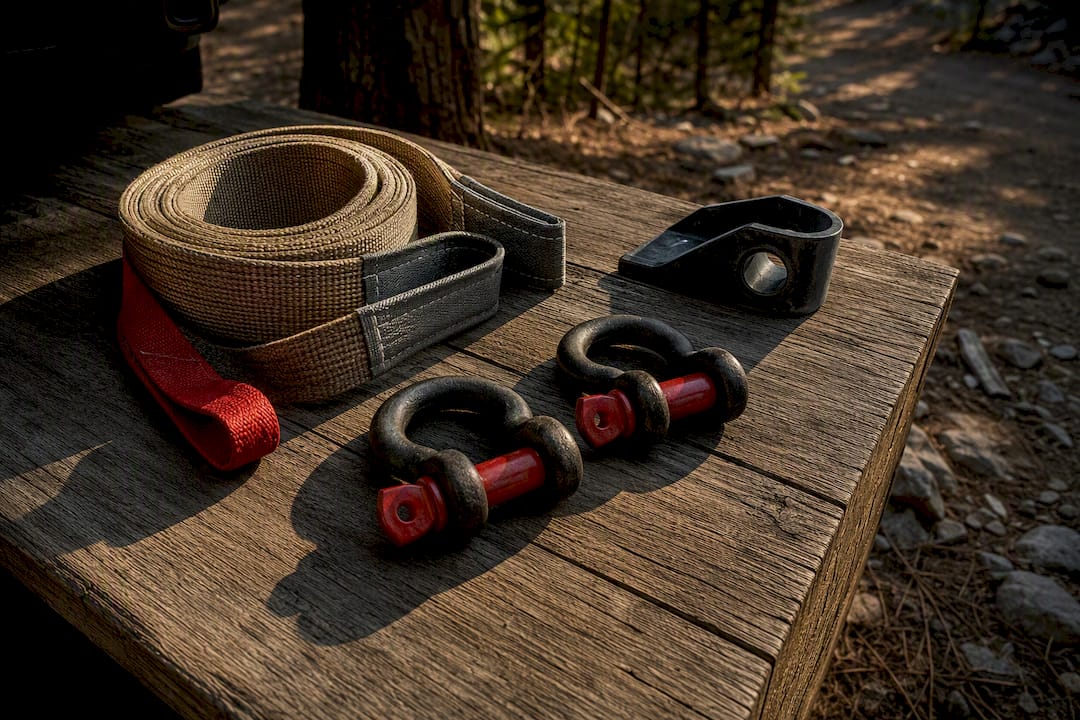
A basic first aid kit, a fire extinguisher rated for vehicle use, and a set of traction boards for sand or mud belong in every build regardless of budget. If you’re running trails with any water crossings, a differential breather extension is cheap enough that skipping it doesn’t make financial sense. LED light bars or pod lights extend your visibility for early morning or dusk runs, when a lot of trail mishaps actually happen.
For anyone doing solo trail runs, a satellite communicator or a basic two-way radio setup is worth the investment, since cell coverage disappears fast once you’re off pavement. None of this gear is exciting to buy, but it’s the difference between a bad afternoon and a genuinely dangerous one.
What Actually Works in the Field
The best mini truck builds we’ve seen didn’t start with a winch or a lift kit. They started with tires and a diff breather, then grew from there as the owner figured out what their local terrain actually demanded. One owner running Colorado’s high country swapped to a modest 14 inch all-terrain setup and a 2 inch lift, spent under $1,500 total, and outran trucks with twice the budget because the traction was right from the start.
If you take one thing from this guide, take this: pair your tire upgrade with your recovery plan before you spend money anywhere else. A winch is useless if your tires can’t get you unstuck in the first place, and a lift is wasted if you’re still riding on stock rubber.
— Gary
How Import Junkies Can Get You Started
Whether you’re building from a bare mini truck or want a ready-to-run utility vehicle without the wrench time, Import Junkies gives you a direct path to both, at wholesale-to-public pricing instead of dealer markup.

Our catalog covers the categories builders actually shop for: utility UTVs and ATVs with plow attachments, four-wheel-drive utility platforms, and accessory-ready vehicles that can take on the same jobs a modified mini truck handles. If you’d rather skip the build entirely, options like the 400cc GVX 4x4 UTV with a street legal light package come factory-equipped and ready to register.
Every product page lists full specs, pricing, and images upfront, so you know exactly what you’re ordering before checkout, and our team is available to answer fitment or use-case questions before you buy. Start by browsing the full Import Junkies catalog to compare utility vehicles side by side, or go straight to a specific listing if you already know what your build or your work needs.
Sources
- Why Kei Trucks Are the Ultimate Off-Road Utility Vehicles (with the Right Upgrades) — TFLtruck
- Best Kei Truck Mods for Off-Road Use — Carmanji
- KORA USA — Kei Truck owner advocacy and resource organization
Recommended
- What Is a Mini Truck? Features, Uses, and Buying Tips
- GSI - Mini Gas 125cc jeep Mini Truck ELITE Edition - Lifted With Custom Rims and Fender Flares
- Mini Truck UTV ATV With Snow Plow Utility Mini jeep UTV Off-Road Vehicle Snow Puncher Crusade Limited
- What is an off-road utility truck? A guide for buyers


