


 Location
 Login
Login
TL;DR:
- Auto lift safety standards in North America are governed by ANSI/ALI frameworks that cover operation, construction, and installation. Regular inspections by qualified inspectors, accurate lifting point references, and compliance with regional regulations are essential for shop safety. Proper operational habits and current documentation prevent lift-related accidents and ensure legal compliance.
Auto lift safety standards are the mandatory guidelines and practices that govern how automotive lifts must be built, installed, operated, inspected, and maintained to protect technicians and vehicles during repair work. The recognized benchmark in North America is the ANSI/ALI ALOIM:2020 standard, which covers safe operation, inspection, and maintenance across all common lift types. Compliance is not optional. Shops that skip annual inspections or ignore proper lifting point protocols put both workers and their business licenses at risk. Whether you run a high-volume commercial shop or maintain a smaller facility, understanding these standards is the foundation of every safe lift operation.
What are the key components of ANSI/ALI auto lift safety standards?
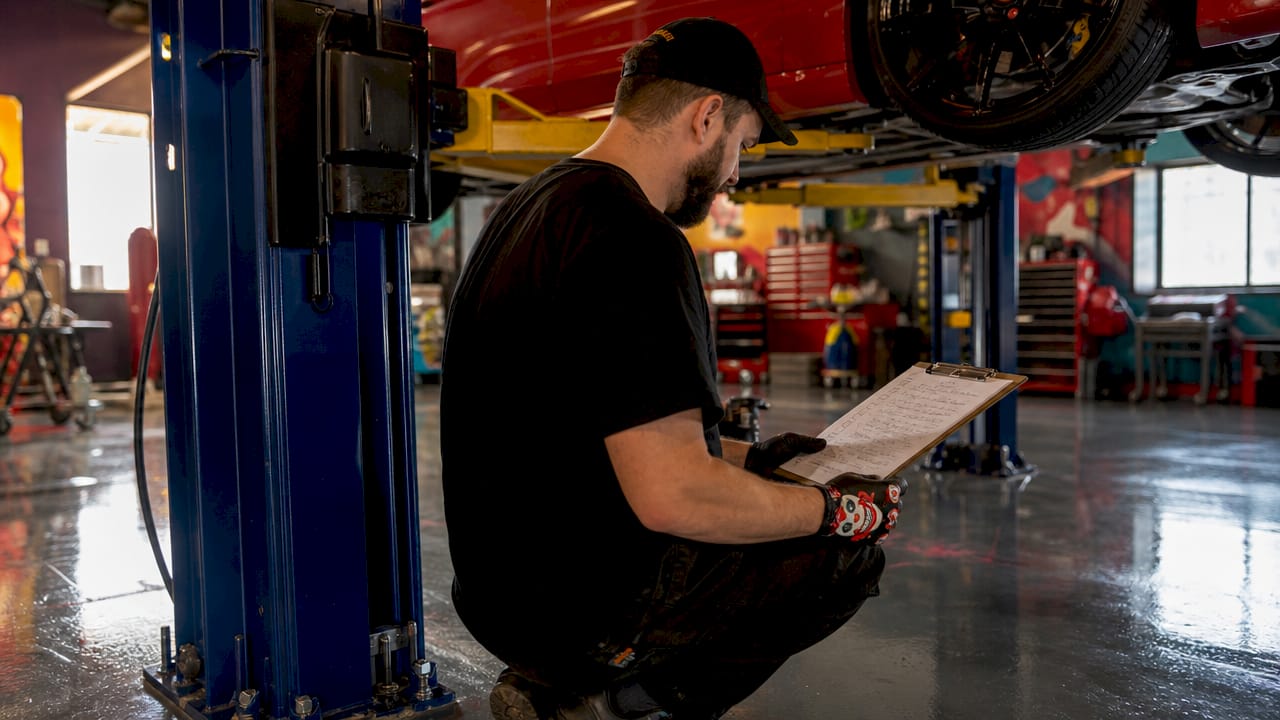
The Automotive Lift Institute (ALI) publishes three separate standards that together define the full compliance pathway for automotive lifts. Each standard covers a distinct phase of a lift’s life cycle, and understanding all three is what separates a truly compliant shop from one that only checks part of the box.
ANSI/ALI ALOIM:2020 is the standard most technicians encounter first. It covers safe operation, inspection, and maintenance for lifts already in service. This is the document that mandates annual lift inspections by a qualified inspector and defines what those inspections must cover.
ANSI/ALI ALCTV:2025 addresses construction, testing, and validation. It replaces the 2017 version and becomes effective in april 2027. This updated standard requires Nationally Recognized Testing Laboratory (NRTL) verification, which means the lift itself must pass independent lab testing before it reaches your shop floor.
ANSI/ALI ALIS:2022 governs installation and service. A lift that passes construction testing but is installed incorrectly still creates serious hazards. This standard closes that gap by setting requirements for how lifts are anchored, configured, and serviced after installation.
- ALOIM:2020 applies to lifts currently in operation
- ALCTV:2025 applies to lift manufacturers and applies from april 2027
- ALIS:2022 applies to installers and service technicians
- All three standards work together to define a complete compliance pathway
- National and local regulations frequently reference these standards directly
Pro Tip: When purchasing a new lift, ask the manufacturer for documentation confirming NRTL certification under ALCTV. A lift without that paperwork may not satisfy your jurisdiction’s requirements, regardless of its rated capacity.
How often should auto lifts be inspected, and who qualifies to do it?
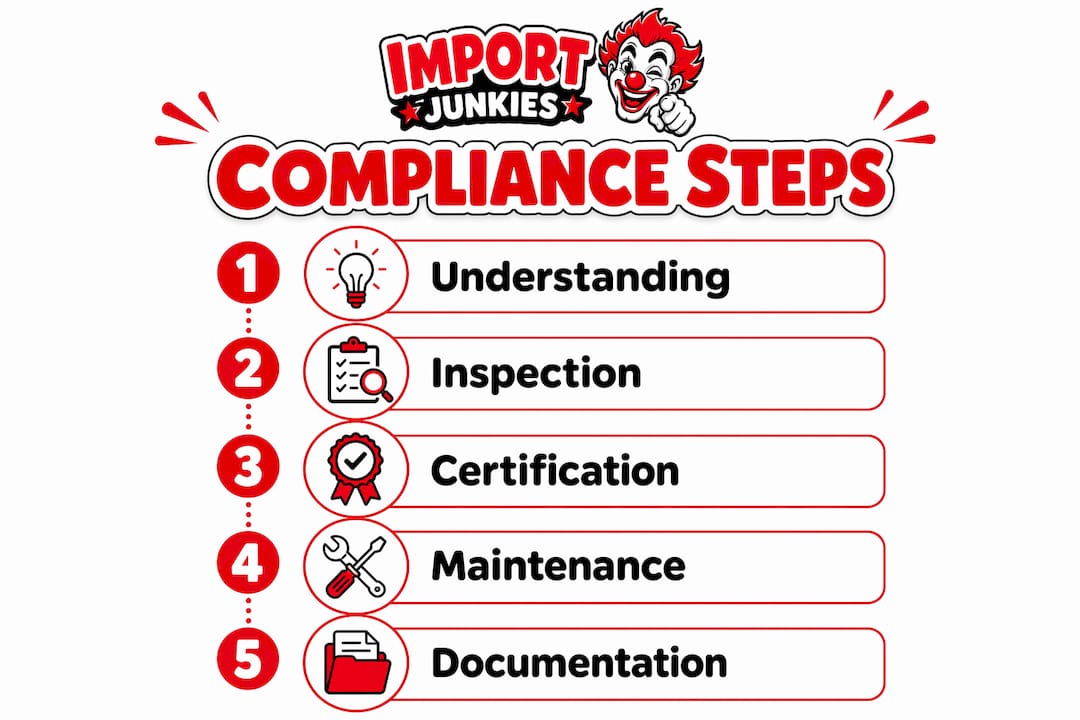
Annual inspection is required under ANSI/ALI ALOIM:2020 for every vehicle lift in service. That applies to two-post, four-post, scissor, in-ground, and mobile column lifts alike. The frequency is a minimum, not a ceiling. High-volume shops often benefit from more frequent formal checks.
A “qualified lift inspector” under ALOIM is not simply any experienced technician. The inspector must have documented knowledge of lift systems, relevant standards, and the ability to identify hazardous conditions. Many shops use third-party inspection services to satisfy this requirement and maintain clear documentation.
The scope of a proper inspection is broader than most technicians expect:
- Structural integrity — Check all columns, arms, and crossbeams for cracks, deformation, or corrosion.
- Anchor bolts and floor attachment — Verify torque specifications and look for concrete cracking around anchor points.
- Safety locks and mechanical stops — Confirm all locking positions engage and release correctly.
- Hydraulic system — Inspect hoses, cylinders, and fittings for leaks or wear. Check fluid levels and condition.
- Cables and chains — Look for fraying, kinking, or uneven wear on equalizing cables.
- Electrical components — Test controls, limit switches, and any safety interlocks for proper function.
- Documentation — Record all findings, corrective actions taken, and the inspector’s credentials.
The difference between a pre-use operator check and a formal annual inspection is significant. Your daily walk-around before raising a vehicle is a visual check for obvious damage. The annual inspection is a systems-level review that catches hidden wear before it becomes a failure.
Pro Tip: Keep a physical inspection log attached to each lift. If a regulator or insurance auditor visits your shop, that log is your first line of defense. Digital records are fine, but a laminated card on the lift column is visible proof of compliance.
Why are correct lifting points critical, and what resources help technicians?
Lifting point placement is one of the most underestimated variables in vehicle lifting safety. Most lifting points are not marked on the vehicle itself, and they change from model year to model year. Placing a lift arm under the wrong structural point can damage the vehicle’s frame, rocker panels, or fuel lines, and in worst cases, cause the vehicle to fall.
The ALI publishes its Lifting Points Guide annually, covering U.S. and Canadian vehicles from model year 2000 through 2026. This guide is the authoritative reference for technicians who need to confirm the correct adapter placement for a specific make, model, and year before raising a vehicle.
| Resource | Coverage | Primary Use |
|---|---|---|
| ALI Lifting Points Guide 2026 | U.S. and Canadian vehicles, 2000–2026 | Confirm correct lift arm and adapter placement |
| Vehicle service manual | Model-specific OEM data | Verify weight distribution and structural limits |
| ANSI/ALI ALOIM:2020 | All lift types in service | Operation, inspection, and maintenance procedures |
Managing lifting point data is a compliance task, not just a convenience. Compliance failures often trace back to outdated references or incorrect adapter use rather than mechanical faults. Keeping a current copy of the ALI guide accessible in your shop is a direct safety measure.
For a broader overview of lift types and how lifting point selection varies by lift design, the types of auto lifts guide from Importjunkies covers the practical differences between two-post, four-post, and scissor configurations.
How do regional regulations influence lift safety compliance?
National ANSI/ALI standards set the floor for compliance, but regional regulations can go further. British Columbia’s WorkSafeBC framework is one of the most specific jurisdictional examples in North America. Under WorkSafeBC regulations, all autolifts must receive third-party certification before installation and use. That certification must come from an accredited body, not from the manufacturer alone.
Shops operating legacy lifts that were never certified face a clear choice: replace the lift with a certified unit or apply for a formal variance to continue operating it. The variance process requires documentation and WorkSafeBC review. Operating an uncertified lift without a variance is a regulatory violation, regardless of how well the lift has performed.
This regional requirement highlights a gap that many technicians miss. A lift can pass your annual ALOIM inspection and still be non-compliant in British Columbia if it lacks the required third-party certification. Inspections and training do not substitute for the lift itself being certified for the jurisdiction.
- Confirm your jurisdiction’s certification requirements before purchasing or installing any lift
- Request third-party certification documentation from the manufacturer or distributor
- For legacy lifts, contact your regional authority to determine variance eligibility
- Map local requirements against ANSI/ALI standards to identify any gaps
- Consult a certified mechanic shop resource to understand how shop-level certification intersects with lift compliance
What best practices keep your shop compliant and your team safe?
Daily habits matter as much as annual inspections. A lift that passes its yearly review can still cause an incident if operators skip pre-use checks or use the wrong adapters. The following practices address the most common points of failure in shop lift operations.
- Pre-use visual check: Before every use, inspect the lift for visible damage, fluid leaks, and unusual noise during a no-load test cycle.
- Lifting point verification: Cross-reference the ALI Lifting Points Guide for every unfamiliar vehicle. Do not rely on memory for vehicles you service infrequently.
- Adapter condition: Check adapters for corrosion or contamination before each use. Oily or wet rubber pads reduce grip and increase slip risk.
- Personal protective equipment (PPE): Wear steel-toed boots and avoid loose clothing near moving lift components. Eye protection is required when working under raised vehicles.
- Surface conditions: Keep the floor around the lift dry and free of oil. Wet or oily surfaces cause slip hazards for both technicians and lift components.
- Fault reporting: Tag out any lift that shows abnormal behavior and remove it from service until inspected. Do not continue using a lift that makes unusual sounds or fails to lock at designated positions.
- Training records: Document operator training for every technician who uses the lift. Training records support compliance audits and demonstrate due diligence.
A car inspection checklist approach applied to lift pre-use checks helps standardize what technicians look for before each raise. Consistency in that process reduces the chance of a missed defect.
Pro Tip: Post a laminated quick-reference card at each lift station listing the pre-use check steps and the location of the current ALI Lifting Points Guide. New technicians follow it automatically, and experienced ones use it as a reset when they are rushed.
Key takeaways
Auto lift safety standards require three separate ANSI/ALI frameworks, annual qualified inspections, and current lifting point references to maintain full compliance and protect technicians from preventable incidents.
| Point | Details |
|---|---|
| Three ANSI/ALI standards apply | ALOIM, ALCTV, and ALIS each cover a distinct phase of lift compliance. |
| Annual inspection is mandatory | ANSI/ALI ALOIM:2020 requires a qualified inspector to review every lift at least once per year. |
| Lifting points change by model year | Use the ALI Lifting Points Guide annually to confirm correct adapter placement for each vehicle. |
| Regional rules can exceed national standards | WorkSafeBC requires third-party certification before any lift is installed or used in British Columbia. |
| Daily checks prevent most incidents | Pre-use inspections, correct PPE, and dry floor conditions address the most common causes of lift-related accidents. |
What I’ve learned about lift compliance that most shops get wrong
After spending years watching shops navigate lift audits and incident investigations, the pattern that stands out most is this: technicians treat compliance as a paperwork problem when it is actually an operational habit problem. A shop can have perfect inspection records and still have technicians placing lift arms on the wrong vehicle points because nobody updated the reference guide or trained the newest hire on where to find it.
The three-standard structure from ALI is genuinely useful once you understand what it separates. ALCTV tells you whether the lift was built right. ALIS tells you whether it was installed right. ALOIM tells you whether it is being used right. Most shops only engage with ALOIM because that is the one that shows up during inspections. But if the lift was never NRTL-certified under ALCTV, or if the installer skipped the ALIS requirements, you have a compliance gap that no amount of annual inspections will close.
The lifting point issue is the one I find most underappreciated. Technicians who have worked on the same vehicle models for years develop confidence in their placement. That confidence is not always wrong, but it becomes dangerous when a new model year changes the recommended points and nobody in the shop notices. The ALI updates its guide every year for a reason. Treating that update as a routine supply order, the same way you order shop rags or brake cleaner, is the right mental model.
Regional requirements like WorkSafeBC’s third-party certification rule catch shops off guard because they assume national standards are the only standard. They are not. Before you commission any lift, map your local jurisdiction’s requirements first. The cost of replacing a non-compliant lift after installation is far higher than the cost of confirming certification before purchase.
— Gary
Automotive lifts that meet the standards you need
Sourcing a lift that satisfies ANSI/ALI standards and your jurisdiction’s certification requirements starts with choosing the right supplier. Importjunkies carries automotive lifts built to recognized safety specifications, including the GSI Commercial 10,000 lb two-post lift, which is designed for professional shop use.
Importjunkies stocks a range of commercial-grade lifts and automotive equipment through its Saferwholesale platform. If you have questions about which lift fits your shop’s compliance requirements or load ratings, the customer support team can help you identify the right unit before you buy. Browse the full selection of automotive lifts and equipment to find options that align with your operational and regulatory needs.
FAQ
What does ANSI/ALI ALOIM:2020 require for auto lifts?
ANSI/ALI ALOIM:2020 requires at least annual inspection of every vehicle lift by a qualified inspector, covering structural integrity, safety locks, hydraulics, cables, and electrical components. All inspection findings must be documented.
When does ANSI/ALI ALCTV:2025 take effect?
ANSI/ALI ALCTV:2025 becomes effective in april 2027 and requires Nationally Recognized Testing Laboratory verification for automotive lift construction, testing, and validation.
How do I find the correct lifting points for a specific vehicle?
The ALI Lifting Points Guide, updated annually and covering U.S. and Canadian vehicles from 2000 through 2026, is the standard reference. Most vehicle lifting points are not marked on the vehicle itself, so this guide is the primary tool for safe placement.
Does passing an annual inspection satisfy all regional compliance requirements?
Not necessarily. In British Columbia, for example, WorkSafeBC requires third-party certification of the lift itself before installation and use. Annual inspections under ALOIM do not substitute for that certification requirement.
Who qualifies as a lift inspector under ANSI/ALI standards?
A qualified lift inspector must have documented knowledge of lift systems and relevant safety standards, and the ability to identify hazardous conditions. Many shops use third-party inspection services to meet this requirement and maintain clear compliance records.
Recommended
- Types of Auto Lifts: Mechanic’s Guide for 2026 – Saferwholesale || Import Junkies || Great Sports
- What Is a Scissor Lift? A 2026 Guide for Pros – Saferwholesale || Import Junkies || Great Sports
- Single Scissor Lift Table - 2200 lbs - 39.4" lifting height - A-2014 – Saferwholesale || Import Junkies || Great Sports
- 750LB Personal Mobility Scooter Carrier Manual Hydraulic Lift - 750P – Saferwholesale || Import Junkies || Great Sports


