


 Location
 Login
Login
TL;DR:
- Electric ATVs produce significantly less noise than gas models, improving wildlife and trail experiences.
- They also require less maintenance and have lower operating costs, making them practical for property work and recreation.
Electric ATVs are defined as battery-powered all-terrain vehicles that deliver instant torque, near-silent operation, and zero tailpipe emissions. The electric atv benefits outdoors go well beyond novelty. These machines run on electric motors rather than combustion engines, which changes nearly everything about the riding experience: how much noise you make, how often you service the vehicle, and where you are legally allowed to ride. Whether you are hunting, camping, or working a property, the advantages of electric ATVs for recreation are real and growing. This guide breaks down exactly what you gain and what you need to plan for.
1. How quiet operation changes your outdoor experience
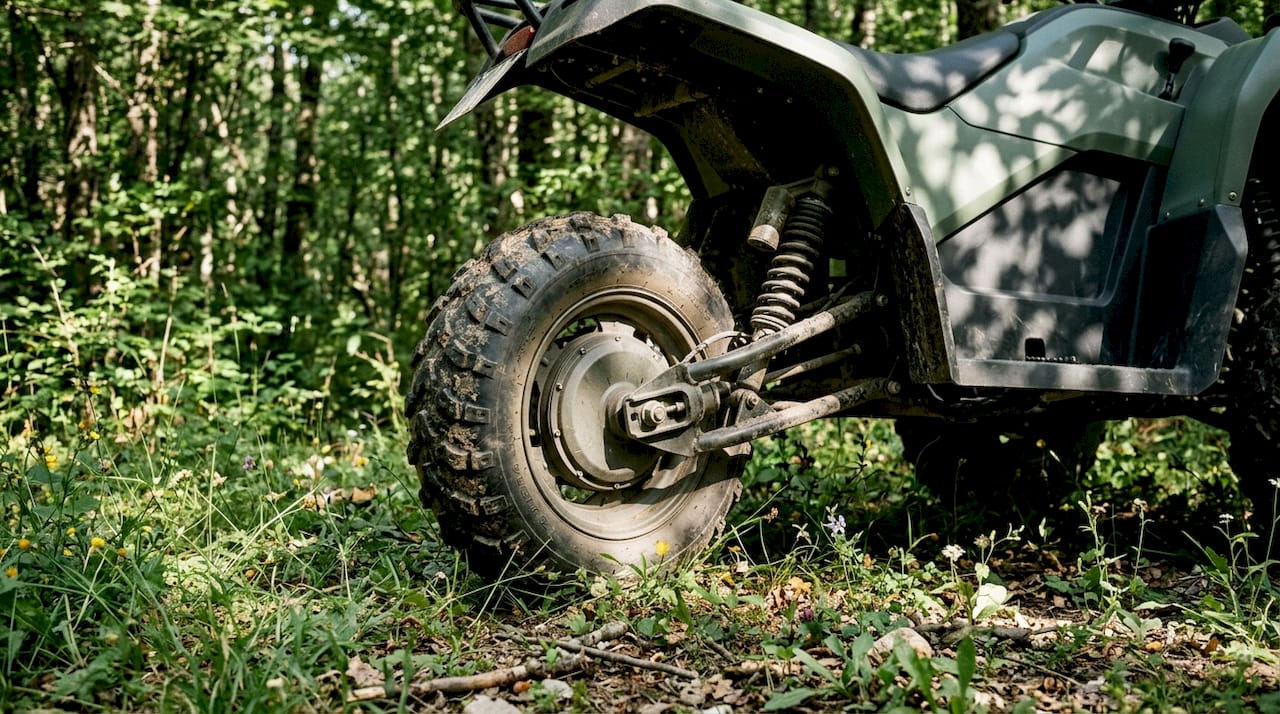
Electric ATVs produce 60–70 dB of noise, compared to 90–110 dB for gas-powered models. That gap is not subtle. A gas ATV at full throttle sits in the same noise range as a chainsaw. An electric ATV at the same speed sounds closer to a quiet conversation.
That difference matters in the field. Guided nature tours, equestrian properties, and residential trail systems all benefit from quieter machines. Horses and livestock are far less likely to spook. Wildlife stays undisturbed. You can ride through a campsite at dawn without waking everyone up.
- Near-silent starts let you move through terrain without alerting animals
- Noise-restricted trails and parks that ban gas ATVs often permit electric models
- Guided tour operators report better guest experiences with quieter vehicles
- Residential and HOA trail systems increasingly favor low-noise options
Pro Tip: If you ride near horse stalls or livestock pens, an electric ATV is the practical choice. The reduced noise stress on animals is a real operational advantage, not just a preference.
2. What are the maintenance and cost benefits of owning an electric ATV?
Electric ATVs eliminate oil changes, spark plugs, and clutch servicing from your maintenance schedule entirely. That is not a minor convenience. For a gas ATV used regularly, those tasks add up to real time and money across a riding season.
The operating cost difference is significant. Gas ATVs typically cost $3–$4 per hour to run on fuel. Electric ATVs cost roughly $0.40–$0.60 per charge to run. For frequent short-distance riders, that gap closes the price premium on the electric unit faster than most buyers expect.
| Maintenance Task | Gas ATV | Electric ATV |
|---|---|---|
| Oil changes | Every 25–50 hours | Not required |
| Spark plug replacement | Periodic | Not required |
| Clutch servicing | Periodic | Not required |
| Air filter cleaning | Regular | Minimal |
| Brake service | Regular | Regular |
| Fuel cost per use | $3–$4/hour | $0.40–$0.60/charge |
The simplified maintenance schedule also means fewer trips to a dealer. You handle basic tasks like tire pressure, brake checks, and battery care yourself. For riders who use their ATV for property maintenance work, that lower upkeep burden is a genuine quality-of-life improvement.
Pro Tip: Track your riding hours for the first season. If you are logging more than 10 hours per month on short local rides, the fuel and maintenance savings on an electric ATV will likely offset the higher purchase price within two to three years.
3. How electric ATVs perform across different terrain
Electric motors deliver up to 47 hp and 53 lb-ft of torque instantly, with no rev-up delay. That instant torque delivery is a real performance advantage on technical terrain. Climbing a steep, loose hill or pulling through deep mud benefits directly from power that arrives the moment you twist the throttle.
Modern electric ATVs designed for off-road use include premium suspension tuned for rough ground, and tires selected to reduce rolling noise without sacrificing grip. The result is a machine that handles rocky trails, forest paths, and snow-covered fields with genuine capability.
- Instant torque gives an edge on steep climbs and technical obstacles
- No gear lag means smoother throttle response in variable conditions
- Premium suspension handles rough terrain comparably to gas counterparts
- Snow and soft ground performance remains strong in moderate cold
Cold weather is the honest limitation. Battery range drops to roughly 19 miles in extreme cold conditions around -15°C to -20°C (5°F to -4°F). That is a real constraint for winter riders in northern states. Plan your routes accordingly and keep the battery warm when possible.
For trail riding, farm work, and hunting applications, the performance profile of a current electric ATV is more than adequate. The power is there. The question is always range.
4. What are the practical considerations for range and charging outdoors?
A typical electric ATV delivers around 40 miles per charge under normal riding conditions. That covers most day-use scenarios: a morning hunt, a property patrol, a trail loop. It does not cover multi-day backcountry trips without a charging plan.
Level 2 fast charging brings the battery from 20% to 80% in approximately 50 minutes. That is a workable turnaround for riders with access to a power source at camp or at the trailhead. The challenge comes when you are riding far from any outlet.
- Plan routes that stay within 35–40% of your total range to allow a safe return buffer
- Cold temperatures reduce range meaningfully; factor in a 20–30% reduction in winter conditions
- Level 2 charging at 20%–80% takes roughly 50 minutes with the right equipment
- A 110V portable generator can charge the battery from 20% to 80% in approximately 3 hours in the field
- Non-removable battery packs mean you cannot swap a spare; the vehicle must return to a power source
Charging away from power sources requires carrying a portable generator, which adds weight and planning complexity to any trip. For day rides from a fixed base, this is a non-issue. For multi-day remote adventures, it requires real preparation. Match your use case to the vehicle’s actual range before you buy.
Pro Tip: If your typical ride is a 15–20 mile loop from a home base or camp with power, an electric ATV fits perfectly. If you regularly ride 60+ mile days in remote areas, a gas ATV or a dual-vehicle setup makes more sense for now.
5. What are the environmental and regulatory advantages for outdoor enthusiasts?
Electric ATVs produce zero tailpipe emissions during operation. That matters on trails where air quality and soil contamination from fuel spills are real concerns. It also matters to land managers who set access rules for parks and private trail systems.
Some parks already restrict or ban gas ATVs, and electric riders gain exclusive access to those areas. That trend is accelerating. As more public and private land managers tighten noise and emissions rules, electric ATV riders will have access to more terrain, not less.
- Zero tailpipe emissions reduce air and soil impact on sensitive ecosystems
- Lower noise levels protect wildlife habitats and reduce stress on animals
- Electric ATVs qualify for access on trails where gas vehicles are restricted
- Responsible outdoor recreation increasingly requires low-impact equipment choices
“Silent operation is a major advantage for hunters to avoid disturbing game and improve hunting success. Electric ATVs allow riders to approach game quietly, making later morning starts viable without spooking animals that would otherwise have fled at the sound of a gas engine.”
The connection between electric ATV adoption and expanded trail access is not speculative. It is already happening in several U.S. states and national forest areas. Riders who want long-term access to the best terrain have a practical reason to consider electric, beyond the environmental preference. You can read more about where electric vehicles are headed in the powersports market to understand how quickly this shift is moving.
6. Electric ATVs as specialized tools for hunting and ranching
Electric ATVs excel as specialized tools for hunting, ranching, and guided tours rather than long-distance trail riding. That framing is useful. It tells you exactly where the technology delivers its best return.
For a hunter working a Midwest or Eastern property, the silent start and near-silent riding profile changes the game. You can start the vehicle without spooking nearby game, move through timber quietly, and arrive at a stand without the noise signature of a gas engine. That is a genuine tactical advantage. For a rancher checking fence lines or moving feed across a property, the low operating cost and minimal maintenance make the electric ATV a working tool that earns its keep.
Rental tour operators also benefit. A fleet of electric ATVs on a guided nature tour produces a fraction of the noise and emissions of a gas fleet. Guests have a better experience. The operator faces lower fuel and maintenance costs. The land suffers less impact. That combination is hard to argue against for the right business model. For a broader look at how electric and gas utility vehicles compare for property work, the golf carts vs. ATVs guide at Importjunkies covers the tradeoffs clearly.
Key takeaways
Electric ATVs deliver the strongest value for outdoor enthusiasts who ride short to medium distances, prioritize quiet operation, and want lower long-term ownership costs.
| Point | Details |
|---|---|
| Quiet operation | Electric ATVs run at 60–70 dB, far below the 90–110 dB of gas models. |
| Low maintenance | No oil changes, spark plugs, or clutch service reduces upkeep time and cost. |
| Real-world range | Expect roughly 40 miles per charge; cold weather cuts that to around 19 miles. |
| Environmental access | Some parks restrict gas ATVs; electric riders gain exclusive trail access. |
| Best use cases | Hunting, ranching, guided tours, and local property work deliver the clearest ROI. |
Why I think most riders underestimate the electric ATV
Gary here. I have spent time around both gas and electric ATVs, and the honest truth is that most riders dismiss electric too quickly because they focus on range. That is the wrong starting point.
The right question is: what do you actually do with your ATV most of the time? If the answer is local trail rides, property work, or hunting on a familiar piece of land, the range limitation is almost never a real problem. The quiet operation, on the other hand, changes the experience in ways you feel immediately. Riding through timber without engine noise is genuinely different. You hear the land. Animals do not scatter. It is a better experience, not just a greener one.
Where I think the dual-vehicle approach makes sense is for riders who do both. Experienced riders recommend owning both gas and electric ATVs to cover different use cases, and that advice holds up. Use the electric for hunting season and local work. Use the gas unit for long-distance trail days. That is not a compromise. That is using the right tool for the job. The outdoor adventure vehicle market is moving fast, and the riders who adapt early tend to get the most out of both technologies.
— Gary
Electric utility vehicles at Importjunkies
Importjunkies carries a range of electric utility vehicles built for outdoor use, including four-seat electric golf carts that handle property work, trail access, and campsite transport with the same quiet, low-maintenance profile described throughout this guide.

The 48V Electric Golf Cart Renegade Edition is a strong starting point for outdoor enthusiasts who want electric utility without the ATV price tag. For riders who want more ground clearance and a lifted stance, the Lifted Renegade+ 2.0 Edition handles rougher terrain while keeping the same electric advantages. Browse the full lineup at Importjunkies to find the right fit for your outdoor setup.
FAQ
How quiet are electric ATVs compared to gas models?
Electric ATVs operate at 60–70 dB, while gas ATVs typically produce 90–110 dB. That difference is significant enough to allow access to noise-restricted trails and to avoid spooking wildlife or livestock.
What is the real-world range of an electric ATV?
Most current electric ATVs deliver around 40 miles per charge under normal conditions. Cold weather reduces that range significantly, with some models dropping to roughly 19 miles in extreme cold.
Can you charge an electric ATV in the field?
Yes, but it requires planning. A portable 110V generator can charge the battery from 20% to 80% in approximately 3 hours. Level 2 fast charging at a power source completes the same charge in roughly 50 minutes.
Are electric ATVs better for hunting?
Silent operation gives electric ATVs a clear advantage for hunting. You can start and ride without the engine noise that alerts game, allowing later morning starts and quieter approaches to stands.
Do electric ATVs require less maintenance than gas models?
Electric ATVs eliminate oil changes, spark plug replacement, and clutch servicing entirely. Routine tasks are limited to tire pressure, brakes, and battery care, which reduces both time and cost over a full riding season.
Recommended
- Why UTV Safety Matters: Your 2026 Rider’s Guide – Saferwholesale || Import Junkies || Great Sports
- First Time ATV Guide for Smart Buyers – Saferwholesale || Import Junkies || Great Sports
- All-Terrain Vehicle Features List: 2026 Buyer’s Guide – Saferwholesale || Import Junkies || Great Sports
- What makes a good outdoor scooter: your 2026 buying guide – Saferwholesale || Import Junkies || Great Sports


