


 Location
 Login
Login
TL;DR:
- Electric golf carts, representing 95% of the market, enhance environmental, operational, and brand value.
- They offer lower maintenance, reduced costs, and improved efficiency for routine golf course tasks.
- Utilizing electric fleets strategically can boost sustainability efforts and elevate guest experience.
Most golf course operators think of their cart fleet as basic transportation. But here’s what that view misses: 95% of golf carts in operation today are electric, and that shift isn’t just about fuel type. It’s reshaping how facilities run day-to-day, how they’re perceived by players and the community, and how much money they spend keeping everything moving. If you manage a golf facility and haven’t taken a hard look at your EV strategy, you’re leaving real operational and financial value on the table. This guide walks you through why electric vehicles dominate the industry, how they improve your workflows, and what it takes to maintain a fleet that performs all season.
Table of Contents
- Why electric vehicles are dominating golf facilities
- Operational efficiency unlocked by electric vehicles
- Sustainability and environmental impact
- Maintenance best practices for electric golf fleets
- The overlooked potential: Beyond basic transportation
- Upgrade your fleet with industry-leading electric golf vehicles
- Frequently asked questions
Key Takeaways
| Point | Details |
|---|---|
| Majority share | Electric vehicles now make up over 95 percent of golf cart fleets worldwide. |
| Efficiency boost | EVs streamline daily operations and reduce maintenance downtime for golf facilities. |
| Sustainability gains | Electric carts help facilities lower emissions and improve their environmental reputation. |
| Proactive maintenance | Routine inspections and care extend the lifespan and reliability of electric fleets. |
Why electric vehicles are dominating golf facilities
The golf industry’s move toward electric vehicles wasn’t gradual. It was decisive. Today, electric carts hold 95% of the market, and the Asia-Pacific region alone represents a $1.6 billion segment of that industry. These numbers tell you something important: operators around the world have already made the call, and they’re not looking back.
The reasons aren’t hard to understand. Electric vehicles produce zero local emissions, which matters both for environmental compliance and for the experience of players on the course. Nobody wants exhaust fumes drifting across the fairway. Beyond that, EVs run quietly, which keeps the course atmosphere relaxed and focused. That might sound like a minor detail, but golfers notice it, and it contributes to the overall quality of their round.
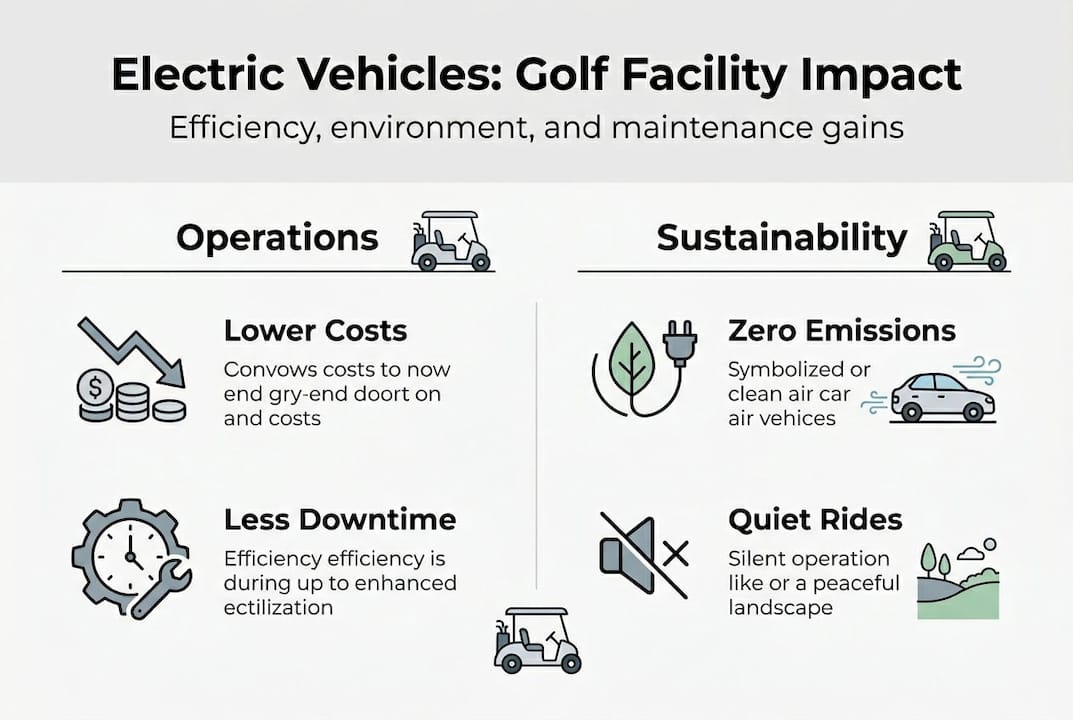
Understanding the benefits of electric golf carts goes beyond just emissions and noise. There’s a growing expectation from players that the courses they visit operate responsibly. Sustainability is no longer a niche concern. It’s a real factor in where golfers choose to play and where corporate events get booked. Facilities that run clean, quiet electric fleets are positioned better in that conversation.
Here’s a quick look at what’s driving the shift:
- Zero tailpipe emissions keep air quality clean across the course
- Quieter operation improves the playing environment and reduces noise complaints
- Lower energy costs compared to gasoline-powered alternatives
- Stronger sustainability image that appeals to environmentally aware golfers
- Alignment with green certification programs that can boost facility credibility
When you look at the data and the direction the market is heading, the case for electric is clear. The question for most operators isn’t whether to go electric. It’s how to get the most out of the fleet they already have or are planning to build. Comparing electric vs gas golf carts in detail shows just how wide the performance and cost gap has grown in favor of electric.
Operational efficiency unlocked by electric vehicles
Having covered industry momentum, let’s turn to the operational side and how EVs actually deliver value day-to-day.
Electric vehicles are built for exactly the kind of work a golf facility demands. Stop-and-go movement across a course, short shuttle runs between the clubhouse and practice areas, equipment transport along tight paths. These are tasks that suit electric motors well. EVs deliver instant torque, meaning they respond immediately when you press the accelerator, without the lag or warm-up time that gas engines require. That responsiveness adds up over a full day of operations.
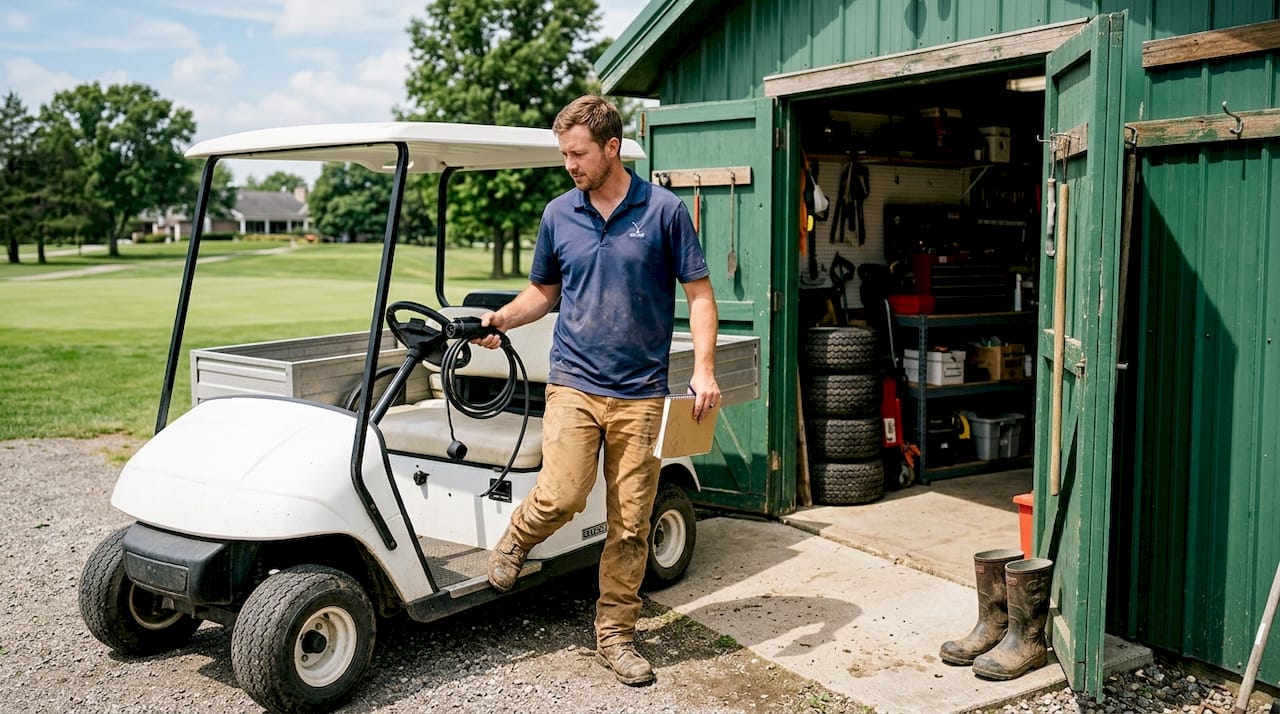
Reduced mechanical complexity is another real advantage. Gas engines have carburetors, spark plugs, exhaust systems, and oil that needs changing. Electric motors have far fewer moving parts, which means fewer things to break and fewer service interruptions. Your fleet stays on the course instead of sitting in the maintenance bay.
Here’s a practical comparison of how electric and gas vehicles perform across common facility tasks:
| Task | Electric vehicle | Gas vehicle |
|---|---|---|
| Short shuttle runs | Excellent, instant response | Adequate, warm-up needed |
| Slope and terrain handling | Strong torque output | Comparable but noisier |
| Fuel/energy cost per shift | Low, charged overnight | Higher, fuel cost variable |
| Maintenance frequency | Less frequent | More frequent |
| Noise level during operation | Very low | Moderate to high |
To get the most out of your electric fleet operationally, consider these steps:
- Schedule overnight charging so every vehicle starts each day at full capacity
- Assign vehicles to specific routes or tasks to track usage patterns
- Rotate your fleet evenly to prevent uneven battery wear across units
- Train staff on proper charging habits and how to report performance issues early
- Keep a simple log of vehicle use, charging times, and any observed issues
Pro Tip: Avoid letting batteries drop below 20% charge regularly. Consistently deep-discharging lithium or lead-acid batteries shortens their lifespan faster than almost any other factor.
When comparing electric and gas golf carts side by side, the efficiency of electric carts becomes hard to argue against, especially when you factor in total cost of ownership over a three to five year period.
Sustainability and environmental impact
Operational improvements are key, but sustainability is just as important. Let’s see why.
Running an electric fleet means your facility produces zero direct emissions from vehicle operation. No exhaust, no fuel spills, no oil changes that generate hazardous waste. For a course that sits within or near a residential area, that matters for community relations. Neighbors and local governments are paying closer attention to how golf facilities impact the environment, and a clean electric fleet is a visible, credible signal that you’re operating responsibly.
Beyond community perception, electric cart sustainability benefits extend to formal certification programs. Organizations like Audubon International and the Golf Environment Organization (GEO) offer green certification pathways for courses. Switching to electric vehicles is a concrete, documentable step toward meeting those standards. Certification isn’t just a badge. It can influence tournament eligibility, attract environmentally conscious members, and support premium pricing for events.
“Electric vehicles support facility sustainability efforts by eliminating local emissions, reducing noise pollution, and helping courses meet the environmental standards that players and certification bodies increasingly expect.”
Here’s a quick checklist of sustainability gains your facility can document when running an electric fleet:
- Elimination of on-course carbon emissions from vehicle operation
- Reduced noise pollution across the course and surrounding areas
- No fuel storage requirements, removing spill and contamination risk
- Compatibility with solar charging infrastructure for further carbon reduction
- Documented EV use as evidence for green certification applications
- Reduced chemical waste from oil and fluid changes
The electric market growth data confirms that sustainability is a driver, not just a side benefit. Facilities that treat their EV fleet as part of a broader environmental strategy are the ones building stronger reputations and attracting the kind of clientele that values it.
Maintenance best practices for electric golf fleets
To protect your investment, mastering maintenance is essential.
Electric vehicles require less maintenance than gas-powered ones, but that doesn’t mean they’re maintenance-free. A structured routine keeps your fleet reliable, extends vehicle lifespan, and prevents the kind of unexpected failures that disrupt operations during busy periods. The key is consistency, not complexity.
A preventive maintenance routine that runs from daily checks through to annual overhauls gives your team a clear framework to follow. Here’s how that breaks down:
| Frequency | Task |
|---|---|
| Daily | Visual inspection, verify full charge, check for visible damage |
| Weekly | Tire pressure check, battery terminal inspection, clean contacts |
| Monthly | Electrical system check, brake inspection, battery water level (lead-acid) |
| Quarterly | Lubricate moving parts, check steering and suspension components |
| Annually | Full mechanical overhaul, battery capacity test, replace worn components |
For battery-specific care, understanding your golf cart battery types is the starting point. Lead-acid batteries need water level monitoring and terminal cleaning. Lithium batteries are lower maintenance but benefit from careful charge cycle management. Either way, the battery is your biggest investment within the vehicle, and how you treat it determines how long it lasts.
Here’s a practical maintenance sequence to build into your operations:
- Conduct a daily walkaround before vehicles go into service
- Assign a staff member to weekly battery and tire checks
- Use a simple digital log to track each vehicle’s maintenance history
- Schedule monthly electrical inspections with a qualified technician
- Book an annual full-fleet overhaul before your peak season begins
Pro Tip: When inspecting your EV fleet after a busy season, pay close attention to brake wear and battery performance data. These two areas show the earliest signs of stress from heavy use.
Aligning your team with golf cart safety standards also ensures that maintenance isn’t just about performance. It’s about keeping staff and players safe throughout the season.
The overlooked potential: Beyond basic transportation
Stepping back to the big picture, there’s a deeper opportunity most facilities miss.
Most operators treat their electric fleet as a logistics tool and nothing more. Carts move players, staff hauls equipment, and that’s where the thinking stops. But the facilities that get the most out of their EV investment think differently. They use branded vehicles as part of the guest experience, deploy carts strategically during events to improve flow and reduce wait times, and build charging infrastructure that supports solar integration for long-term cost reduction.
Think about what a well-presented, well-maintained electric fleet communicates to a first-time visitor. It signals organization, investment, and care. That’s a marketing asset, not just a transport tool. Courses that use advanced EV applications for event support, branded cart wraps, and VIP shuttle services are generating revenue and reputation from assets that most facilities treat as background equipment.
The ROI on an electric fleet isn’t just in fuel savings. It’s in the experience you create and the story you tell. If you’re not thinking about your fleet that way, you’re underutilizing one of your most visible operational assets.
Upgrade your fleet with industry-leading electric golf vehicles
Ready to realize the benefits? Here’s how to take the next step.
If you’re looking to expand or upgrade your facility’s electric fleet, Import Junkies offers a range of purpose-built options designed for course and utility use. The 4-seater electric golf UTV delivers the passenger capacity and torque output that busy facilities need, while the Silver Renegade electric edition brings a premium look and performance spec for courses focused on guest experience.

Whether you’re outfitting a new facility or replacing aging gas-powered units, the full electric vehicle collection at Import Junkies gives you competitive pricing, detailed product specs, and direct purchasing options. Browse the catalog and find the right fit for your operation.
Frequently asked questions
How do electric vehicles reduce operating costs in golf facilities?
Electric carts lower costs through reduced energy expenses, fewer mechanical repairs, and protection from fuel price volatility, making total ownership significantly cheaper over time.
What basic maintenance is required for electric golf carts?
Follow a daily to annual routine that includes daily charge checks, weekly tire and battery inspections, monthly electrical reviews, and a full annual overhaul to keep your fleet reliable.
Are electric golf vehicles suitable for heavy-duty tasks?
Modern electric carts handle most passenger and utility applications well, but you should verify the specific vehicle’s load rating and intended use case before deploying it for heavy hauling.
Can switching to electric golf carts improve a course’s sustainability image?
Yes. Zero-emission vehicles demonstrate a clear environmental commitment and provide documented evidence that supports applications for Audubon, GEO, and other green certification programs.
Recommended
- Why choose electric golf carts? Benefits for golfers and courses – Saferwholesale || Import Junkies || Great Sports
- How to select the best vehicles for your golf course – Saferwholesale || Import Junkies || Great Sports
- Electric Golf Cart vs Gas: Which Wins? – Saferwholesale || Import Junkies || Great Sports
- 48V Electric Golf Cart 4 Seater Renegade Edition Utility Golf UTV – Saferwholesale || Import Junkies || Great Sports


